
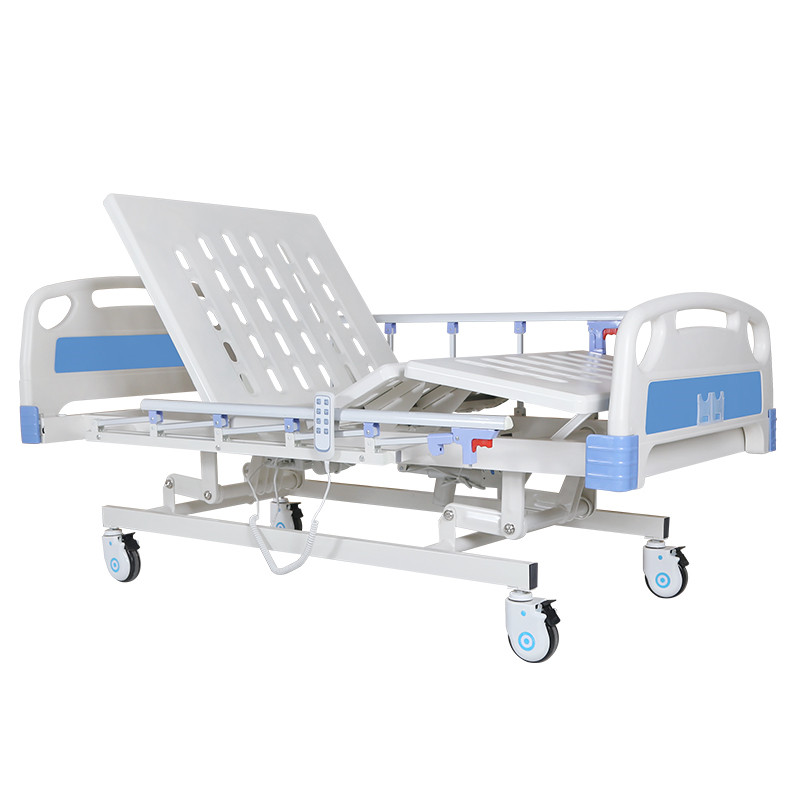
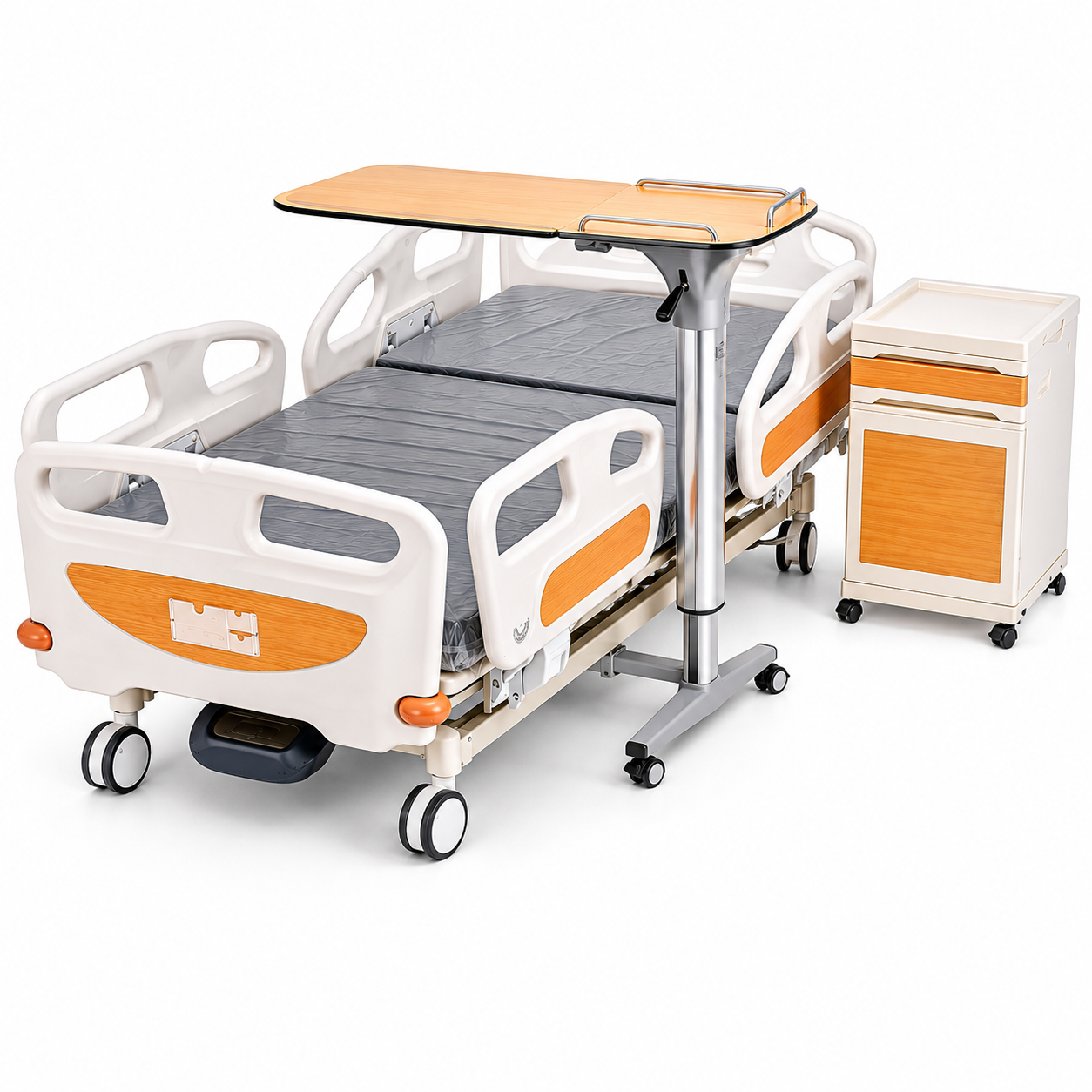

Purchasing hospital beds for an entire ward, a new hospital or a healthcare expansion project is very different from buying a small number of replacement beds. For a large project, hospitals need to evaluate not only the bed itself but also the supplier's production capacity, specification control, documentation, packaging, delivery planning and ability to maintain consistent quality across the entire order. This is why choosing a reliable hospital bed supplier for hospitals should begin with supplier qualification rather than price comparison alone. A competitive quotation can be attractive, but if the supplier cannot maintain the confirmed configuration or deliver the complete quantity on schedule, the hospital may face delays, acceptance problems and additional procurement costs. The following checklist can help procurement teams, distributors and hospital project contractors evaluate potential suppliers before placing a large order. Before comparing suppliers, the buyer should prepare a clear project requirement. A supplier cannot prepare an accurate proposal if the inquiry includes only a general request such as “hospital beds needed.” Order quantity affects production planning, pricing, packaging and container requirements. A project involving 50 beds is very different from one involving 500 or 1,000 beds. The approximate quantity should therefore be provided at the beginning of the discussion. Hospitals may require different configurations for general wards, higher-dependency areas, ICU departments or rehabilitation units. For example, a project may use manual two-crank beds in some wards, manual three-function beds in others and electric beds in departments requiring more frequent positioning. Buyers can review different configurations in our hospital bed range. The project requirement should also specify whether mattresses, IV poles, overbed tables, bedside cabinets or other accessories are required. Without this information, quotations from different suppliers may not be directly comparable. A professional hospital bed supplier should be able to explain the technical configuration rather than simply provide a catalogue and unit price. This is one of the first indicators of whether the supplier can support a professional hospital project. The specification should clearly identify the overall dimensions, sleeping platform size, bed height, adjustment functions, angles, side rail type, caster system, braking method and rated load capacity. For electric beds, motor configuration and control method should also be stated. A hospital may need to compare several models before making a decision. The supplier should be able to explain why one model is more suitable for a particular ward or budget instead of simply recommending the highest-priced option. Descriptions such as “strong frame,” “high-quality motor” or “heavy-duty caster” are not enough for professional procurement. Hospitals should request measurable technical information whenever possible. One of the most common problems in hospital procurement is comparing prices for products that are not actually equivalent. Two beds may look similar in photographs while using different materials, rails, casters, motors or accessories. The buyer should compare the main frame, platform structure, side rails, headboards, casters, braking system, motors and standard accessories. A lower quotation may simply include a more basic configuration. The quotation should clearly show what is included in the standard price. Mattresses, IV poles, battery backup systems or other accessories should not remain unclear until after the order is placed. The final product specification should be confirmed in writing before production begins. This gives both buyer and supplier a clear reference during manufacturing and inspection. A supplier that can produce a few sample beds may not necessarily have the capacity to manage a large hospital project. Production capability should therefore be evaluated according to the actual project quantity. Delivery time should be based on the quantity and product configuration rather than a generic estimate. Electric beds may require more assembly and electrical testing than simple manual beds. Projects involving several product models may also require additional coordination. Hospital beds contain many parts, including steel frames, rails, headboards, casters, crank mechanisms, motors and control systems. For a large order, the supplier should confirm that key components can be prepared according to the production schedule. A hospital project may contain several bed configurations within one order. The supplier should be able to separate each model clearly during purchasing, production, inspection and packing. A sample bed can help buyers evaluate the basic product, but it cannot guarantee the quality of several hundred production units. For a large hospital project, batch consistency is one of the most important supplier capabilities. Key materials and components should meet the confirmed specification before assembly begins. This includes steel parts, rails, casters, headboards and electrical components. The main frame is the load-bearing structure of the bed. Welding quality, frame dimensions and structural alignment should therefore be checked during production. Powder-coated surfaces should be even and free from obvious defects. Good surface preparation is important for both appearance and long-term use in hospital environments. Backrest movement, leg adjustment, height adjustment and other functions should be tested according to the model. For manual beds, crank mechanisms should operate smoothly. For electric beds, motors, actuators and hand controls should be checked before packing. Side rails are used repeatedly during daily nursing and directly affect both usability and patient protection. Hospitals should therefore evaluate the complete rail system rather than looking only at its appearance. The effective rail height should be considered together with mattress thickness. A thick mattress can reduce the effective protective height of the side rail. Rails should lock securely and remain stable after repeated operation. The quality of connectors, supporting pillars and locking components is important for long-term use. Hospital beds may use ABS split rails, aluminum alloy folding rails or other designs. The most suitable option depends on the hospital's required functionality and project budget. Hospital beds may be moved frequently for cleaning, patient transfer or room arrangement. Caster quality therefore has a direct effect on staff experience. Individual caster brakes can provide a practical solution for standard wards where beds are not moved constantly. Central brakes allow several casters to be controlled through one coordinated system. This can improve efficiency in departments where staff move beds frequently. Casters should roll smoothly and brakes should hold the bed securely when activated. These checks should be part of final inspection. When a project includes electric models, hospitals should evaluate the electrical system separately from the steel structure. The supplier should explain which motor or actuator controls each function. Depending on the model, these may include backrest, leg-rest, height and tilt adjustments. Electrical standards vary by market. The destination country's voltage and plug requirements should be confirmed before production begins. Hospitals and distributors should consider whether compatible motors, hand controllers and control boxes can be supplied later if required. Hospital projects may involve tender requirements, local registration procedures or internal acceptance documentation. These requirements should not be left until the goods are ready for shipment. The buyer should clearly explain which certificates or technical documents are required for the project. Available CE and ISO 13485 documentation can be provided for buyer evaluation according to project requirements. Technical specifications, product descriptions and commercial documents should correspond with the actual ordered configuration. This is especially important for tenders and hospital acceptance procedures. For hospital tenders, the product supplied may be checked against an approved technical schedule. This makes specification control particularly important. If a confirmed rail, caster, motor or other major component needs to change, the supplier should communicate this before production continues. Unapproved substitutions can create problems during final inspection. For projects involving multiple bed models, a clear comparison table can help identify which model satisfies each tender requirement. This can reduce misunderstanding during both purchasing and production. Hospital beds are bulky products, so packing method has a major influence on international transportation cost. A professional hospital bed project supplier should calculate packaging and loading capacity in advance. Depending on the model, headboards, footboards, side rails and other components may be separated for shipping. This can help reduce overall packaging volume. Mattresses can occupy a significant amount of container space. For suitable foam mattresses, vacuum compression can reduce packaging volume considerably. IV poles, cabinets, overbed tables and other equipment should be included when calculating the complete shipment. Ignoring accessory volume can create loading problems at the final stage. Large hospital projects often require several containers. The buyer should understand the approximate container requirement before finalizing transportation arrangements. Different structures and packaging methods result in different loading quantities. A manual bed with detachable components may use container space very differently from a fully assembled electric model. The loading estimate should use the confirmed package sizes of the selected models. This gives the buyer a more realistic freight estimate. Hospitals often work according to construction, renovation or opening schedules. A late delivery may affect installation, acceptance or commissioning. The buyer should explain whether the beds are required for a specific project milestone. The supplier can then evaluate whether the production schedule is realistic. Production completion does not always mean the goods can leave immediately. Final inspection, packing, documentation and container booking also require time. Some hospitals or contractors have detailed acceptance procedures. These may include visual inspection, functional testing or verification of technical specifications. The checklist can include model number, quantity, dimensions, functions, side rails, brakes, accessories and appearance. Manual and electric adjustment functions should operate according to the confirmed specification. Mattresses, IV poles or other included items should be checked against the purchase list. Hospital beds are durable products, but some components naturally experience more frequent wear over many years of use. Casters and side rail components are operated regularly and may eventually require replacement. For electric models, hospitals may also need access to compatible actuators, hand controllers or control components in the future. Keeping a reasonable quantity of common replacement components can help hospital engineering teams handle routine maintenance more efficiently. The lowest factory price does not always create the lowest overall procurement cost. Hospitals should consider the complete project. A lower-priced bed may use a simpler structure or fewer standard accessories. Better packaging can reduce the shipping cost allocated to each bed. Stable components and available spare parts can reduce long-term service difficulties. A supplier capable of managing several models, accessories and containers under one project can reduce administrative and communication costs. Large hospital projects involve many technical and commercial details. Clear communication can prevent expensive errors. Important questions should receive specific answers rather than vague marketing language. Any modification to the specification, quantity, accessories or packaging should be recorded clearly. When many revisions have been exchanged, both sides should confirm the final version before manufacturing begins. Many projects include more than patient beds. Bedside cabinets, overbed tables, mattresses, transfer equipment and other products may form part of the same hospital procurement package. When several categories are sourced together, the supplier should coordinate production, packaging and loading as one project. Projects that also require patient transport solutions can review our patient transfer equipment range. Before placing a large order, a hospital procurement team can ask several practical questions. The supplier should provide a realistic answer based on the actual models and quantities. Batch consistency is critical for hospital acceptance and future maintenance. The supplier should explain how frames, components, assembly and final functions are inspected. The answer should be checked against the tender or market requirements before the order is confirmed. This information is necessary for realistic transportation planning. Long-term service support should be considered before the beds enter use. China offers a broad hospital bed manufacturing base covering manual, electric and higher-function configurations for different project budgets. Hebei Heyuan Medical Equipment has approximately 20 years of experience manufacturing hospital beds, nursing beds and related medical furniture. Our hospital bed range includes electric five-function beds, electric three-function beds, manual three-crank beds, manual two-crank beds and other configurations for international hospital projects. We focus on practical specifications, stable production quality, project-based packing and clear communication throughout the procurement process. OEM and ODM requirements can also be discussed according to project quantity and product configuration. Available CE and ISO 13485 documentation can be provided for buyer evaluation according to project requirements. A dependable hospital bed supplier for hospitals should be able to do much more than offer a competitive price. The supplier should understand the technical requirement, maintain consistent production, control batch quality, prepare suitable documentation, plan packaging and support the buyer through inspection and shipment. For a hospital purchasing hundreds of beds, these capabilities can have a greater impact on project success than a small difference in unit price. By qualifying suppliers before placing the order, hospitals and project contractors can reduce procurement risk and improve the likelihood that the final products arrive in the correct specification, quantity and condition. If you are preparing a hospital bed tender, new hospital project, ward expansion or bulk replacement program, please contact our team with your required models, quantities and technical specifications. We can help you compare suitable configurations and prepare a project-based supply proposal.How Should Hospitals Qualify a Hospital Bed Supplier Before a Large Procurement Project?
Start With the Exact Hospital Project Requirement
Define the Number of Beds Required
Separate Bed Requirements by Department
Confirm Which Accessories Are Included
Check Whether the Supplier Understands the Specification
Ask for a Detailed Specification Sheet
Check Whether the Supplier Can Explain Product Differences
Avoid Vague Technical Descriptions
Verify That the Final Quotation Matches the Required Configuration
Compare Every Major Component
Separate Standard and Optional Accessories
Record the Final Configuration Before Production
Production Capacity Matters More as the Project Becomes Larger
Ask for a Realistic Lead Time
Confirm Whether Raw Materials and Components Can Be Prepared on Time
Evaluate Whether the Supplier Can Manage Several Models at Once
Quality Control Should Cover the Entire Batch
Raw Material Inspection
Frame and Welding Inspection
Surface Treatment Inspection
Functional Inspection
Hospital Bed Side Rails Need Careful Evaluation
Check Rail Height
Check the Locking Mechanism
Compare Rail Materials
Casters and Brakes Affect Daily Hospital Workflow
Independent Brakes
Central Braking Systems
Movement Should Be Tested Before Shipment
Electric Hospital Beds Require Additional Technical Review
Confirm the Motor Configuration
Confirm Voltage and Plug Type
Ask About Replacement Electrical Parts
Documentation Should Be Reviewed Before the Purchase Order
List Required Certificates in Advance
Make Sure Documents Match the Product
Tender Projects Need Strong Specification Control
Do Not Change Components Without Approval
Use a Model Mapping or Technical Comparison Table
Packaging Should Be Planned Before Production Is Complete
Detachable Structures Can Improve Container Utilization
Mattresses Should Be Included in Loading Calculations
Accessories Also Need Space Planning
Ask for Container Loading Estimates Before Shipment
Do Not Use One Standard Loading Number for Every Bed
Base the Calculation on Actual Packaging Dimensions
Delivery Planning Is Critical for Hospital Projects
Confirm the Required Delivery Window
Allow Time for Inspection and Shipment Preparation
Hospital Acceptance Requirements Should Be Discussed Early
Create an Acceptance Checklist
Test Key Functions
Verify Accessories
Spare-Parts Planning Reduces Long-Term Project Risk
Frequently Used Parts Should Be Identified
Electric Beds Need Electrical Spare-Part Support
Large Projects Can Benefit From Initial Spare Parts
Compare Total Project Cost Instead of Unit Price Alone
Product Configuration
Packaging Efficiency
Maintenance
Project Coordination
Supplier Communication Is an Important Qualification Factor
The Supplier Should Answer Technical Questions Clearly
Changes Should Be Documented
One Confirmed Version Should Be Used for Production
Hospital Furniture May Be Sourced Together With Beds
Questions Hospitals Should Ask Before Approving a Supplier
Can You Supply the Required Quantity Within Our Project Schedule?
Can You Maintain the Same Specification Across the Complete Order?
How Do You Control Quality During Production?
What Documents Can You Provide?
What Are the Packing Dimensions and Estimated Container Quantities?
Which Spare Parts Can Be Supplied Later?
Why Overseas Hospital Projects Source Beds From an Experienced China Manufacturer
Choose a Hospital Bed Supplier Based on Project Execution Capability