

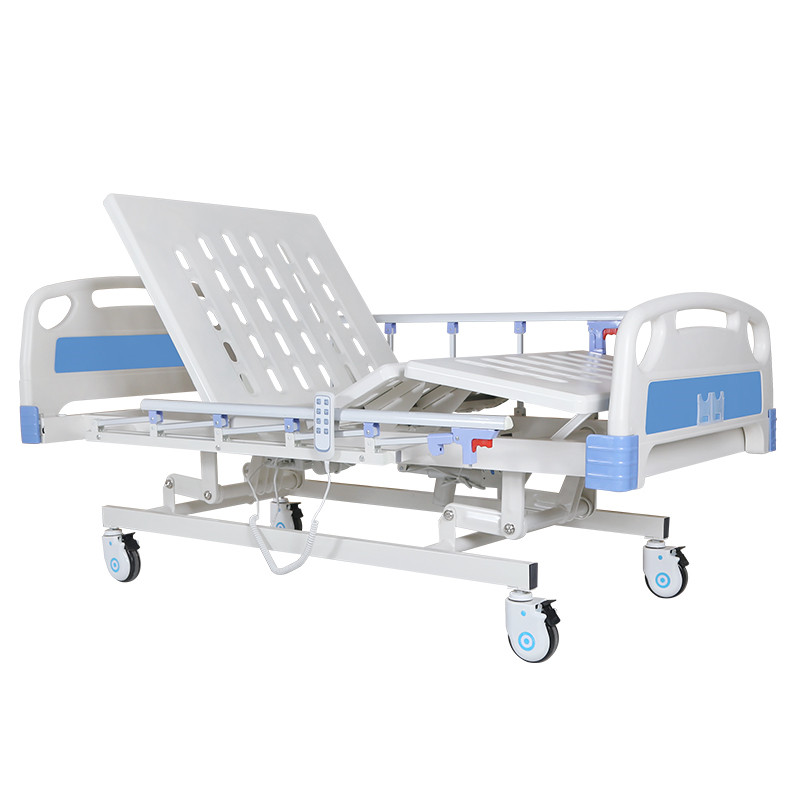
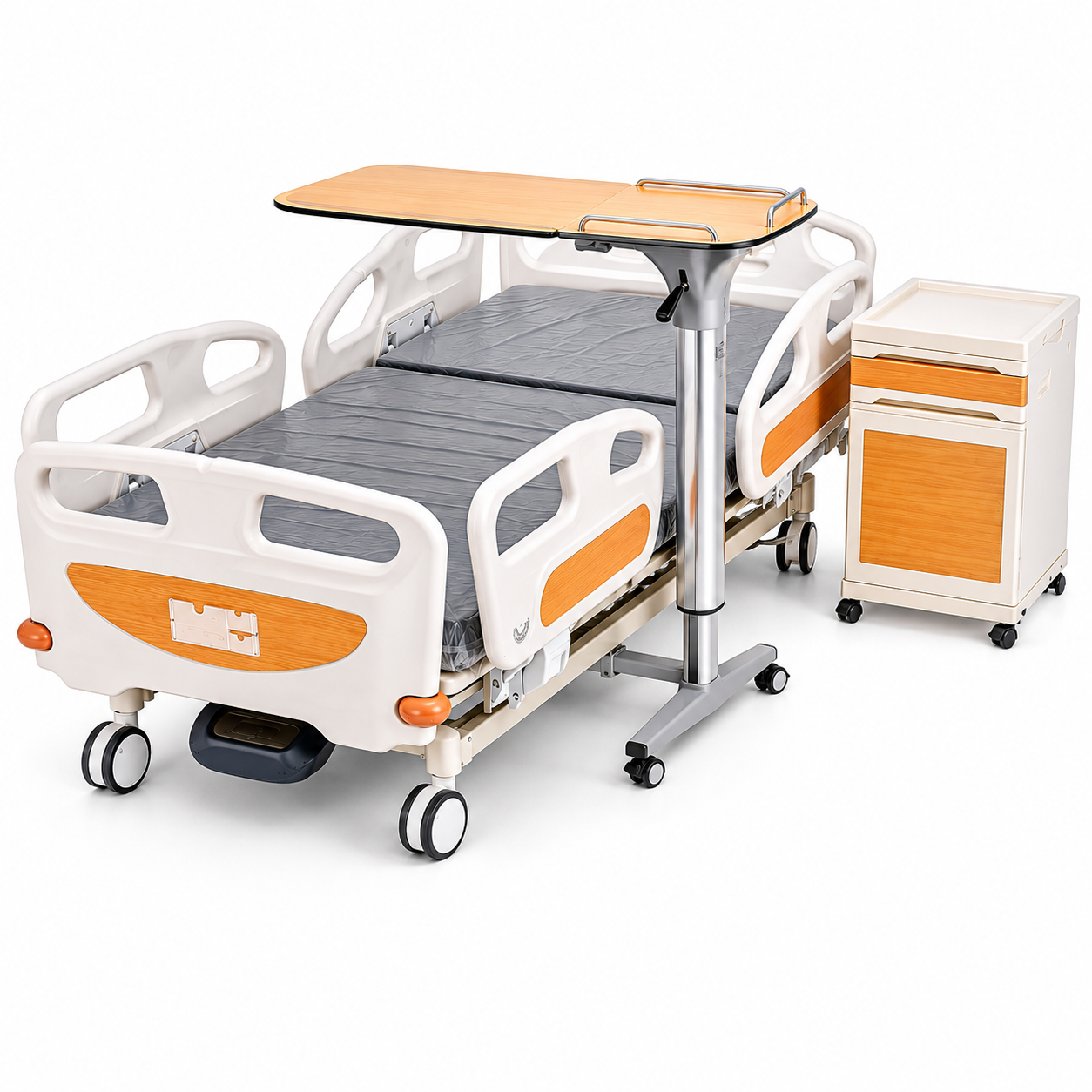

Hospital bed buyers frequently see specifications such as 200 kg, 250 kg, 300 kg, or higher listed in product catalogues. At first glance, the meaning appears simple: the bed can support that amount of weight. In professional medical equipment procurement, however, the situation is more complicated. The stated figure may refer to Safe Working Load, maximum patient weight, maximum static load, or another manufacturer-specific test value. These terms should not automatically be treated as interchangeable. Understanding exactly what the number represents is important when purchasing beds for hospitals, rehabilitation centers, nursing facilities, distributors, or healthcare projects. One of the most common mistakes in hospital bed procurement is assuming that Safe Working Load and maximum patient weight mean the same thing. Safe Working Load, commonly abbreviated as SWL, generally refers to the total load that the hospital bed is designed to support safely during intended operation according to the manufacturer's specification. Maximum patient weight refers specifically to the permitted weight of the patient rather than the total load carried by the bed. For this reason, maximum patient weight may be lower than the stated Safe Working Load. If a hospital bed has a Safe Working Load of 250 kg, buyers should not automatically assume that it is suitable for a 250 kg patient. The correct maximum patient weight must be confirmed separately from the manufacturer. Buyers can review different Hospital Bed configurations according to patient population, application, and load requirements. Medical bed product pages and quotations do not always use consistent terminology. When suppliers use different terms, comparing quotations becomes difficult unless the buyer asks exactly what each number represents. Instead of asking: “What is the weight capacity?” Ask: “Please confirm the Safe Working Load and maximum patient weight separately.” This simple question can prevent significant misunderstandings. The mattress is part of the load supported by the hospital bed and should not be ignored during equipment planning. If a hospital uses a heavier therapeutic mattress, the available load margin for other equipment may be different from a bed equipped with a lightweight standard mattress. The bed and mattress should therefore be evaluated as one system rather than as unrelated products. Hospital beds may carry more than the patient and mattress. If accessories contribute to the total supported load, using the Safe Working Load directly as the permitted patient weight can result in an incorrect specification decision. Buyers sometimes assume that a thicker steel frame automatically means a higher weight capacity. Frame strength is important, but the bed operates as a complete mechanical system. A bed cannot be evaluated by selecting one strong component and assuming the complete product has the same capacity. Load specifications should apply to the complete bed system. On an electric hospital bed, supporting a stationary load and moving that load are not exactly the same engineering requirement. A professional load specification should consider intended operation, not only whether the stationary frame can physically hold the weight. Manual beds do not use electric actuators, but load still affects the crank and transmission systems. If a manual bed becomes extremely difficult to adjust under its intended operating load, the stated structural capacity alone does not provide a complete picture of usability. Every hospital bed ultimately transfers its load through the caster system to the floor. The complete bed load rating should be established for the assembled product rather than calculated by buyers from individual component ratings. A patient does not create a perfectly uniform load across the entire mattress platform. Body weight is distributed differently depending on position, movement, and bed articulation. A bed used in real healthcare conditions experiences movement and changing forces, which is one reason buyers should rely on manufacturer-defined working specifications rather than simple theoretical calculations. When the expected patient population exceeds the capability of standard hospital beds, a higher-capacity or bariatric configuration may be required. A heavier patient may also require additional sleeping width, appropriate side rail geometry, a suitable mattress, transfer equipment, and sufficient room space. The complete care environment should therefore be evaluated rather than simply purchasing a standard-width bed with a larger stated load number. The highest available load rating is not automatically necessary for every project. Hospital purchasing teams can review: A general ward, rehabilitation department, bariatric unit, and long-term care facility may have different patient profiles. Using one specification for every department can either create unnecessary cost or insufficient capacity. A higher-capacity bed may require additional materials, stronger components, larger dimensions, and different mobility systems. The objective is to select adequate capacity with a suitable safety margin for the intended clinical application rather than simply requesting the highest number available. Higher-capacity beds are often wider than standard configurations. A bed may have the required load capacity but still be unsuitable if its dimensions prevent convenient movement through the facility. A wider bed requires a compatible mattress. For patients requiring additional pressure management, suitable Air Mattress solutions should also be confirmed against the specific bed dimensions and care requirements. If three suppliers all list different numbers, do not simply select the highest specification. A standardized quotation request makes supplier comparison much easier. A manufacturer may perform structural or durability testing using loads higher than the intended everyday operating load. This does not necessarily mean that the higher test value should become the normal patient capacity. Procurement decisions should be based on the manufacturer's defined operating limits rather than isolated test figures. Load information should remain available to hospital staff after the bed enters service. If standard and higher-capacity beds look similar, clear model and load identification can help prevent inappropriate assignment. Learn more about our manufacturing and product testing capabilities through our Factory page. Hospital bed weight capacity should never be evaluated as an isolated figure on a specification sheet. Safe Working Load, maximum patient weight, mattress weight, accessories, mechanical systems, electric actuators, casters, bed dimensions, and the intended patient population all need to be considered together. For professional buyers, clearly defining these requirements before requesting quotations makes supplier comparison more accurate and reduces the risk of purchasing beds that are either under-specified or unnecessarily over-engineered. When a supplier writes only “Load Capacity: 250 kg,” ask them to rewrite the specification as two separate lines: “Safe Working Load” and “Maximum Patient Weight.” If those two figures cannot be clearly explained, the load specification needs further clarification before you compare the quotation. If you are sourcing hospital beds for a hospital, healthcare project, distributor business, or higher-capacity patient application, Contact Us to discuss suitable load ratings and configurations.What Does Hospital Bed Weight Capacity Actually Mean?
The Most Important Difference: Safe Working Load vs Maximum Patient Weight
What Is Safe Working Load?
The Total Load May Include:
What Is Maximum Patient Weight?
Why This Distinction Matters
Why Buyers Frequently Misunderstand Hospital Bed Load Specifications
You May See Terms Such As:
A Better Question to Ask the Supplier
Why Mattress Weight Must Be Considered
Mattress Weight Can Vary According to:
A Specialty Mattress May Be Heavier Than a Basic Foam Mattress
Accessories Can Also Add to the Bed Load
Depending on the Application, Accessories May Include:
Do Not Use the Entire SWL as the Patient Weight Limit
Why Hospital Bed Weight Capacity Is Not Determined by the Frame Alone
Load Performance Can Depend on:
The Weakest Component Matters
Electric Hospital Beds Require Motor Capacity to Match Structural Capacity
The Electrical System May Need to Perform:
Ask Whether the Bed Can Perform Its Functions Under the Rated Working Load
Manual Hospital Beds Also Need Appropriate Load Performance
Important Components Include:
Operation Should Remain Practical Under Normal Load
Casters Are Part of the Load-Bearing System
Caster Evaluation Should Consider:
Do Not Calculate Bed Capacity by Simply Adding Four Caster Ratings
Why Weight Distribution Matters
Load Distribution Changes When:
Dynamic Use Is Different From Static Loading
What Is a Heavy-Duty or Bariatric Hospital Bed?
These Beds May Differ in:
Higher Weight Capacity Alone Is Not Enough
How Much Capacity Does a Hospital Actually Need?
Start by Understanding the Patient Population
Different Departments May Need Different Specifications
Do Not Buy Excessive Capacity Without Understanding the Trade-Offs
This Can Affect:
More Capacity Is Not Automatically Better
Why Wider Beds Need Additional Room Planning
Before Purchasing, Check:
Bed Capacity and Facility Layout Are Connected
Mattress Width Must Match Higher-Capacity Beds
Confirm:
How Should Buyers Compare Load Capacity Between Suppliers?
Ask Each Supplier to Confirm:
Use the Same Terminology Across Every RFQ
Do Not Confuse Test Load With Normal Working Load
Always Ask:
Use Published Operating Specifications for Procurement
Why Clear Weight Labels Matter After Delivery
Clear Identification Helps:
This Is Especially Important in Mixed Fleets
Questions Buyers Should Ask Before Ordering
Common Hospital Bed Weight Capacity Mistakes
Hospital Bed Load Capacity Checklist
The Right Hospital Bed Capacity Is About More Than One Number
Expert Tip