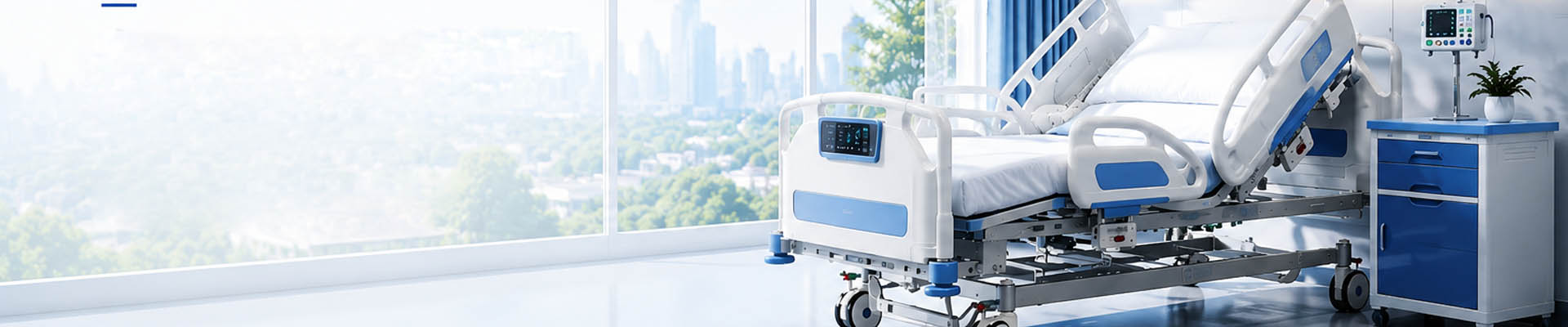



Hospital beds are essential medical equipment used every day in hospitals, clinics, rehabilitation centers, and long-term care facilities. Because hospital beds operate continuously in demanding environments, proper management and maintenance are important for maintaining reliable performance and reducing unnecessary replacement costs. A well-maintained hospital bed can provide stable support for patients and caregivers while helping healthcare facilities improve equipment utilization. The service life of a hospital bed is influenced by multiple factors throughout its operational cycle. Explore our Hospital Bed solutions designed for hospitals, healthcare facilities, and medical projects. Regular inspection is one of the most effective ways to identify potential problems before they affect daily operation. Small issues such as loose components, damaged cables, or unusual movement can often be corrected before they become major failures. Hospital beds are used by many different healthcare workers throughout their service life. Incorrect operation may increase unnecessary wear on mechanical and electrical components. A hospital bed designed for thousands of adjustment cycles can still experience shortened service life if it is operated incorrectly. Electric hospital beds contain several components that require attention during long-term use. Slower movement, unusual sounds, or inconsistent operation may indicate that inspection or maintenance is needed. The bed frame provides the main structural support for the entire product. A strong frame combined with proper operation helps maintain reliable performance over many years. Hospital beds often need to be moved for cleaning, patient transfer, room arrangement, and emergency situations. A damaged caster system can make bed movement more difficult and may increase stress on other components. Side rails are frequently operated parts of hospital beds. Components operated many times every day should be included in routine maintenance plans. Hospital beds require regular cleaning to support infection control and hygiene management. Cleaning methods should follow supplier recommendations to protect surfaces and electrical components. Preventive replacement of frequently used parts can reduce unexpected equipment downtime. Healthcare facilities can reduce disruption by replacing worn components during scheduled maintenance periods. Equipment history helps healthcare facilities understand performance and maintenance requirements. Maintenance data can help hospitals make better decisions about repairs, replacement planning, and future purchasing. Hospital beds may operate in very different environments. A bed used continuously in a busy hospital department may require more frequent inspection than a lower-use application. Hospital bed accessories also influence overall equipment performance. Facilities requiring pressure management solutions can also review suitable Air Mattress options. A structured maintenance plan is more effective than waiting for problems to appear. A simple maintenance process followed consistently can significantly improve equipment reliability. Long-term equipment management also depends on supplier support. Learn more about our manufacturing capability through our Factory page. A hospital bed is a long-term investment that supports patient care every day. While product quality is important, proper operation, preventive maintenance, and professional equipment management are equally important factors that influence service life. Healthcare facilities that establish effective maintenance procedures can reduce downtime, control operating costs, and maintain more reliable patient care environments. Create a maintenance responsibility system that clearly defines who checks, records, and reports hospital bed conditions. A simple management process can greatly improve equipment reliability. If you are sourcing hospital beds for hospitals, clinics, healthcare projects, or medical equipment distribution, Contact Us to discuss suitable solutions.Why Hospital Bed Service Life Matters
Hospital Bed Lifespan Depends on More Than Product Quality
Main Factors Include:
1. Establish a Regular Hospital Bed Inspection Program
Inspection Items May Include:
Early Detection Reduces Downtime
2. Train Healthcare Staff on Correct Operation
Training Should Include:
Proper Operation Protects Equipment
3. Maintain Electric Hospital Bed Components Properly
Important Components Include:
Monitor Changes in Performance
4. Protect the Bed Frame From Unnecessary Damage
To Protect the Structure:
Structural Stability Supports Long-Term Performance
5. Perform Regular Caster and Brake Maintenance
Check:
Mobility Components Affect Daily Efficiency
6. Maintain Side Rails and Safety Components
Regular Checks Should Include:
Frequently Used Parts Need Frequent Attention
7. Use Correct Cleaning Procedures
Cleaning Should Consider:
Avoid Damaging Equipment During Cleaning
8. Replace Worn Components Before Failure Occurs
Possible Replacement Parts Include:
Planned Replacement Is More Efficient
9. Keep Hospital Bed Maintenance Records
Useful Records Include:
Records Support Better Equipment Management
10. Consider the Operating Environment
Different Conditions Include:
Usage Intensity Influences Maintenance Needs
11. Manage Mattress and Accessories Properly
Consider:
12. Create a Preventive Maintenance Schedule
A Maintenance Schedule May Include:
Consistency Is More Important Than Complexity
13. Work With Reliable Hospital Bed Suppliers
Reliable Suppliers Should Provide:
14. Common Mistakes That Shorten Hospital Bed Life
Hospital Bed Service Life Management Checklist
Good Maintenance Creates Better Healthcare Equipment Value
Expert Tip