

When a buyer compares a patient care bed, the underside usually receives less attention than the backrest angle or side rail style. In actual use, however, the space under the frame affects cleaning, inspection, and small maintenance work. If staff cannot move a mop, cleaning tool, or visual inspection light under the bed, the room becomes harder to keep tidy. This is not a dramatic specification, but it shows up every day after delivery. In procurement work, the small point is rarely small after the container arrives. It affects receiving, installation, staff training, service calls, and the buyer's reputation with the end customer. That is why I prefer to raise these details before the price is the only topic left on the table.
Why The Space Under The Bed Matters
It Changes Daily Cleaning
What to look at
When a buyer compares a patient care bed, the underside usually receives less attention than the backrest angle or side rail style. In actual use, however, the space under the frame affects cleaning, inspection, and small maintenance work. If staff cannot move a mop, cleaning tool, or visual inspection light under the bed, the room becomes harder to keep tidy. This is not a dramatic specification, but it shows up every day after delivery.
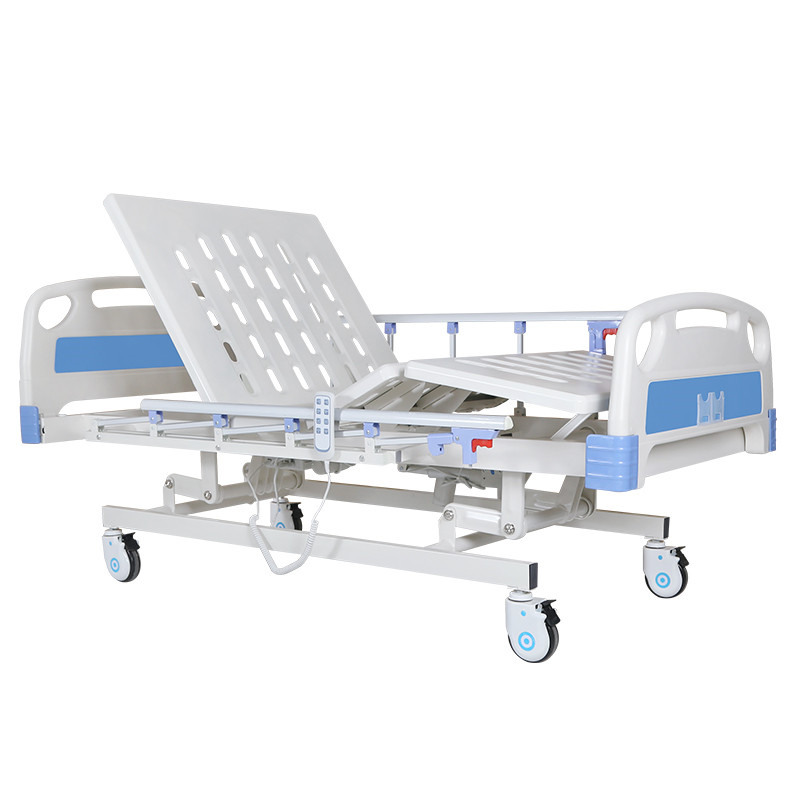
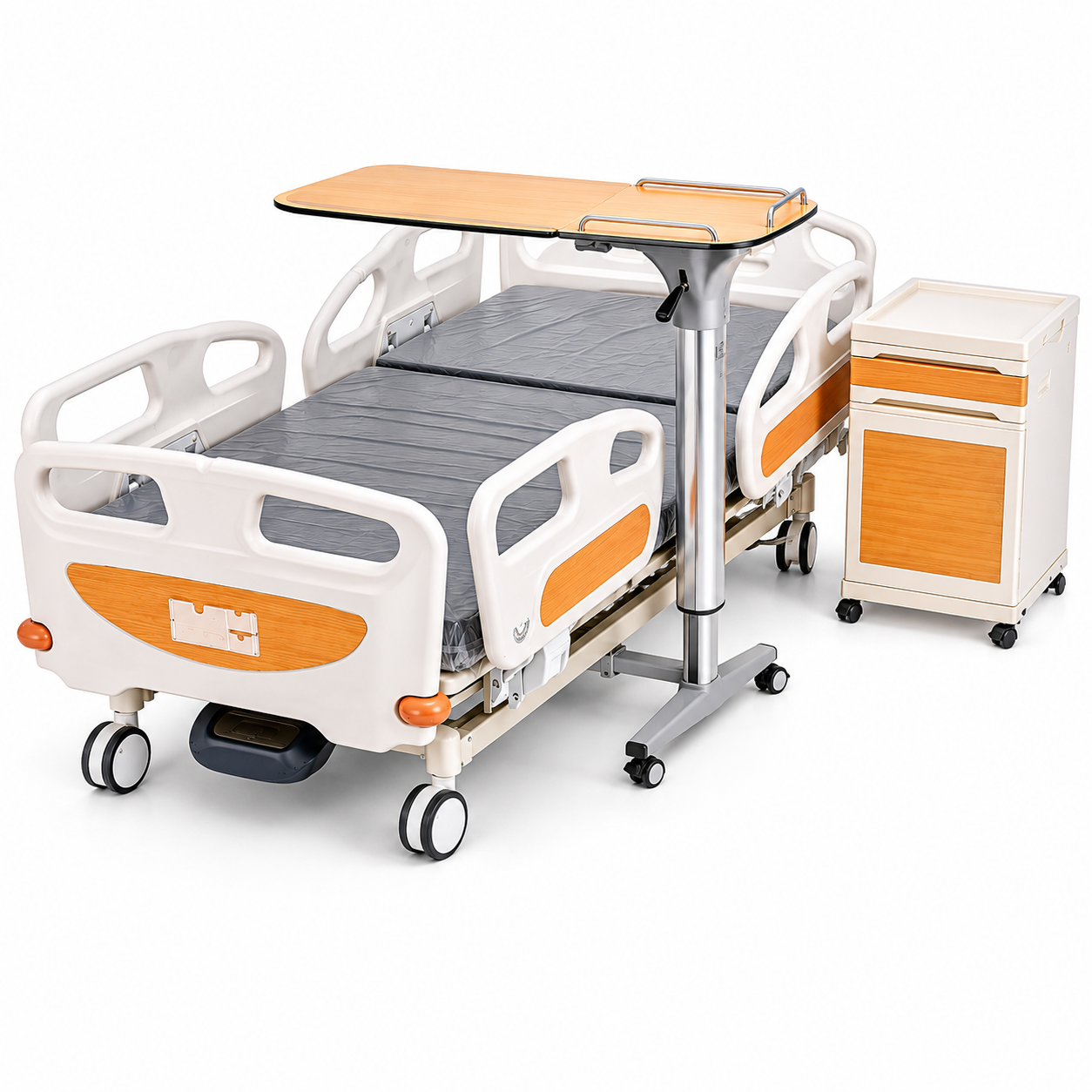
For distributors selling into clinics, rehabilitation rooms, or long-term care projects, I would ask for underside photos before confirming a model. A neat side-view catalogue picture does not always show where crossbars, motor brackets, brake rods, or cable clips sit. The buyer should look at the real structure and ask whether the clearance is consistent across the bed length. This habit is especially useful when comparing a hospital bed with practical underside clearance against a lighter care bed frame.
A useful supplier will answer with photos, model references, and practical limits. A weak answer usually stays vague. Buyers should listen carefully to that difference because it shows how the supplier may respond when a real project question appears later.
Clearance Is Not Only Height
What to look at
Clearance is easy to misunderstand. It is not only the highest empty space below the platform. The useful clearance is the path that cleaning staff and technicians can actually reach. A bed may have enough height near the middle but blocked areas near the actuator, linkage, or wheel base. That is why a buyer should ask where the lowest point is and whether the obstruction is in a cleaning path.
A simple receiving check helps. Place the bed in normal working position, lock the brakes, and look under the frame from both sides and the foot end. If staff need to kneel awkwardly or move the bed just to clean under it, the layout may create extra work. For B2B buyers, the question is not whether the bed looks clean on day one. The question is whether it stays manageable after six months of normal use.
If the first order teaches a lesson, record it and make the next order better. Repeating the same small problem is more expensive than taking a few minutes to update a checklist. Good B2B product work is built from that steady improvement.
Small Obstructions Can Create Big Annoyance
What to look at
The common problem is not a completely blocked underside. It is a small bracket in the wrong place, a cable hanging lower than expected, or a cross tube that catches cleaning tools. These details rarely appear in a price comparison sheet, but they affect the user's opinion of the product. If the bed feels awkward to clean, the facility may blame the model, not the missing detail in the procurement review.
I prefer to discuss this before sample approval. Ask the supplier to send a short underside video while the bed moves through its normal positions. The video should show cables, actuators, and moving joints clearly. If the supplier understands export projects, this request will not sound strange. It is a practical way to reduce surprises for a nursing bed cleaning access review or any patient care bed used in a busy room.
If the first order teaches a lesson, record it and make the next order better. Repeating the same small problem is more expensive than taking a few minutes to update a checklist. Good B2B product work is built from that steady improvement.
What Buyers Should Check Before Ordering
Ask For Real Photos, Not Only Renderings
What to look at
Renderings can make the underside look cleaner than it is. Real photos show welding points, brackets, control boxes, motor positions, and cable routes. A buyer does not need artistic photography. The useful photos are simple: side view, foot-end view, head-end view, and underside view from the middle. If the bed has different height positions, ask for the photos at the lowest practical position as well.
This matters when a distributor is building a product file for dealers. The sales team can explain the bed more honestly when they have real structure photos. It also helps spare part planning because the team can see where accessories or service parts are mounted. Buyers comparing patient care bed accessory mounting points should keep those photos with the order record, not only in a chat history.
The check does not need to slow the order. It can be handled with a short photo set, a sample video, and one written confirmation in the order file. What matters is that the detail is visible to both sides before production and packing are finished.
Think About Cleaning Tools In The Target Market
What to look at
Different markets use different cleaning routines. Some facilities use flat mops, some use small machines, and some clean mainly by hand. A bed that works well in one environment may be less comfortable in another. Before ordering a container, ask what cleaning method the customer usually uses. This is a practical question, not a medical claim, and it often reveals whether the underside clearance is suitable.
If the buyer serves several customer groups, the safest choice is usually a structure that is easy to inspect and does not trap dust around complicated brackets. A simple underside is also easier for dealers to explain. Nobody wants to spend time defending a hidden design detail after the first delivery. Good procurement is often the art of preventing small complaints before they become repeated service calls.
If the first order teaches a lesson, record it and make the next order better. Repeating the same small problem is more expensive than taking a few minutes to update a checklist. Good B2B product work is built from that steady improvement.
Confirm Cable Protection And Cable Position
What to look at
Electric beds and semi-electric care beds need special attention. A cable that hangs low may reduce cleaning clearance and become vulnerable during movement. Cable clips should hold wiring firmly without making service impossible. Ask whether the cable route changes when the bed is raised, lowered, or adjusted. Movement is the real test; a still photo is only the beginning.
For projects that include pressure care systems, buyers should also consider hose routing around the bed. If an air hose crosses the underside cleaning path, the room will feel untidy. A clear plan for an air mattress hose route beside the bed keeps the bed area easier to manage and gives caregivers fewer small things to correct during the day.
In procurement work, the small point is rarely small after the container arrives. It affects receiving, installation, staff training, service calls, and the buyer's reputation with the end customer. That is why I prefer to raise these details before the price is the only topic left on the table.
Turning Clearance Into A Purchasing Habit
Add It To The Sample Checklist
What to look at
Underside clearance should be written into the sample checklist, even if the buyer does not assign it a complicated measurement. The checklist can simply ask: Are cleaning paths open? Are cables held above the working area? Can staff inspect the floor under the bed? Are brackets positioned where they will not catch tools? These questions are enough to make the supplier show the structure clearly.
Once the first sample is approved, keep the underside photos in the technical file. If a later batch changes bracket position or cable route, the buyer can compare the new bed with the approved reference. This prevents quiet production changes from becoming field problems. It also gives the purchasing team a factual basis when discussing improvements with the supplier.
For distributors, this information also improves sales quality. The team can explain the product from experience instead of repeating broad catalogue language. That kind of explanation feels more trustworthy to hospitals, care facilities, contractors, and import buyers.
Discuss It With Facility Staff
What to look at
Procurement teams often speak with sales managers and project owners, but cleaning staff and maintenance staff see the bed differently. They know where dust collects, where tools get stuck, and which areas are difficult to reach. A few minutes of feedback from those people can improve the next order more than a long specification table. Their comments are practical because they come from repeated use.
For large orders, I would ask the end customer to review one installed bed before confirming the next batch. If the underside is easy to clean and inspect, record that as a model advantage. If not, discuss whether another frame, wheel base, or cable route is better. Buyers can also send questions through a patient care bed supplier contact discussion before production is fixed.
For distributors, this information also improves sales quality. The team can explain the product from experience instead of repeating broad catalogue language. That kind of explanation feels more trustworthy to hospitals, care facilities, contractors, and import buyers.
Keep The Final Decision Balanced
What to look at
Underside clearance is important, but it should not be isolated from bed stability, function, price, packaging, and spare part support. A buyer still needs to evaluate the whole product. The point is to avoid missing a practical detail that affects daily use. A well-designed patient care bed should look sensible from the top, the side, and the underside.
My advice is simple: before approving a care bed for B2B supply, ask to see the parts of the product that customers rarely photograph. The underside is one of those areas. If the structure is clean, serviceable, and easy to explain, it supports long-term confidence. If it is messy or hard to inspect, the buyer should slow down and ask better questions before placing a larger order.
In procurement work, the small point is rarely small after the container arrives. It affects receiving, installation, staff training, service calls, and the buyer's reputation with the end customer. That is why I prefer to raise these details before the price is the only topic left on the table.
Buyer Takeaway
Before The Next Order
The best purchasing habit is to turn this topic into one clear checkpoint before the next order. Ask for evidence, keep the approved detail in the project file, and make sure the receiving or installation team understands what has been agreed. This is how a supplier moves from selling a product to supporting a working B2B supply process.
For a repeat buyer, the checkpoint should also become part of supplier comparison. If two offers look similar in price and function, the supplier who can explain daily-use details more clearly often creates fewer problems after delivery. That practical difference may not appear in the first quotation, but it becomes visible when the product is installed, cleaned, adjusted, serviced, and reordered.
I would also keep one short note for the sales team and one for the service team. The sales note explains why the detail matters to the buyer. The service note explains what to check if a customer later raises a question. This keeps the same practical knowledge available before and after the order, instead of leaving it in one person's memory. It also makes future staff training faster and less dependent on verbal explanations during busy project handovers and deliveries.