
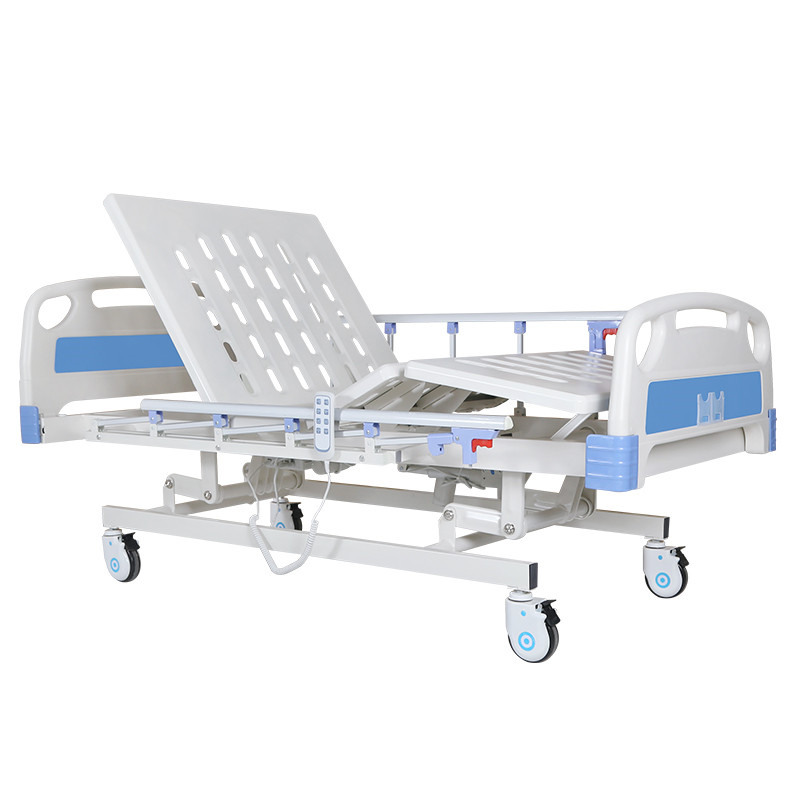
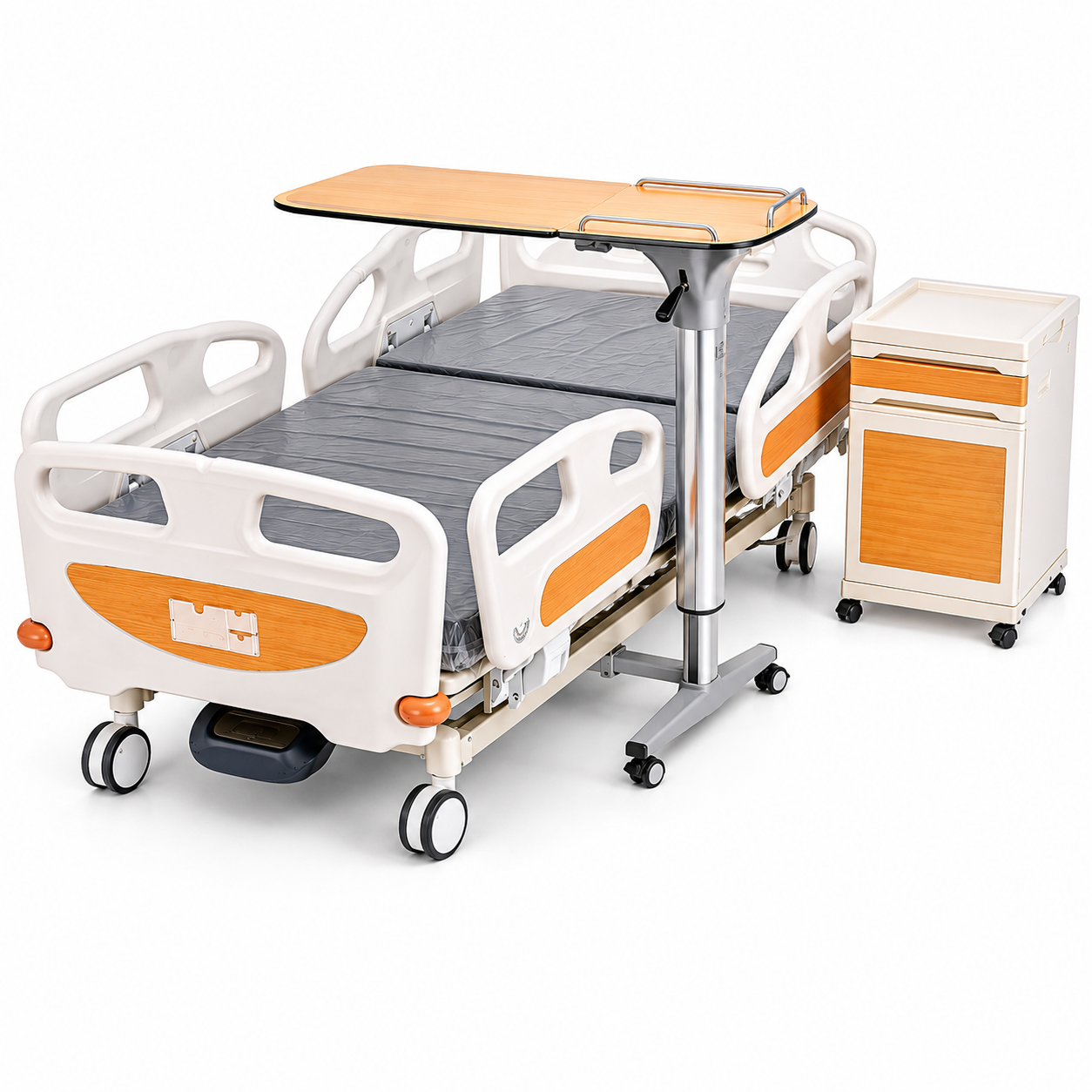

For hospitals, distributors, and healthcare projects, selecting a hospital bed supplier is an important decision. Medical beds are long-term healthcare equipment that directly affects patient safety, caregiver efficiency, and daily operations. However, not every supplier provides the same level of quality, service, and manufacturing capability. Some warning signs may appear during communication, quotation, production, or after-sales support. Understanding these risks helps buyers avoid unreliable suppliers and choose a professional manufacturing partner. A professional hospital bed supplier should be able to provide detailed technical information about their products. Buyers should be careful if a supplier only provides product pictures and prices but cannot explain important specifications. A reliable manufacturer understands the details behind the product, not only the selling price. For large hospital projects and distributor cooperation, factory capability is an important evaluation factor. A real manufacturer should be able to introduce production facilities, manufacturing processes, quality inspection procedures, and company background. You can learn more about our manufacturing capability through our Factory information. Price is an important factor, but it should not be the only purchasing standard for medical equipment. A very low quotation may result from differences in materials, functions, production standards, or quality control. Healthcare buyers should compare: Professional suppliers should provide consistent information across catalogs, quotations, technical documents, and product samples. Changes in specifications without explanation can create problems during production and delivery. Different countries and healthcare projects may have different requirements. Customization may include: Explore our Hospital Bed solutions for different healthcare applications. Quality should not depend only on final inspection. It should be controlled throughout production. Materials and components should meet production requirements before assembly. Manufacturing processes should be monitored to maintain consistency. Finished hospital beds should be checked before shipment. International projects require efficient communication between buyers and suppliers. Exporting medical equipment requires knowledge of international requirements, packaging, documents, and transportation. Experienced suppliers understand: Hospital beds are long-term equipment. Future support should be considered before purchase. A professional supplier should first understand where and how the hospital beds will be used. Hospital wards, clinics, rehabilitation centers, elderly care facilities, and home care environments may require different configurations. A hospital bed supplier is not only providing equipment but also supporting healthcare operations. The right manufacturing partner can help buyers reduce purchasing risks, maintain product consistency, and build reliable long-term cooperation. Before choosing a hospital bed supplier, do not evaluate only the product photos and quotation. A reliable supplier should demonstrate technical knowledge, manufacturing capability, quality management, and commitment to long-term support. If you are looking for a professional hospital bed manufacturer for your healthcare project, Contact Us to discuss your requirements.Choosing the Right Hospital Bed Supplier Requires Careful Evaluation
1. The Supplier Cannot Clearly Explain Product Specifications
Missing Technical Details
Important Information Should Include:
2. The Supplier Avoids Showing Factory Information
Why Factory Transparency Matters
Buyers Should Check:
3. The Supplier Focuses Only on the Lowest Price
Extremely Low Prices May Hide Problems
Compare Value Instead of Only Cost
4. The Supplier Cannot Provide Consistent Product Information
Inconsistent Information May Indicate Poor Management
Before Ordering, Confirm:
5. The Supplier Has Limited Customization Ability
Professional Manufacturers Can Support Adjustments
6. The Supplier Cannot Explain Quality Control Procedures
Important Quality Control Areas
Incoming Material Inspection
Production Inspection
Final Testing
7. Communication Is Slow or Unclear
Professional Suppliers Should Provide:
8. The Supplier Has No Experience With Export Projects
International Experience Helps Reduce Risks
9. The Supplier Cannot Support After-Sales Requirements
Important After-Sales Support Includes:
10. The Supplier Does Not Understand Your Application
Different Applications Need Different Solutions
Hospital Bed Supplier Evaluation Checklist
Why Choosing a Reliable Manufacturer Matters
Expert Tip