
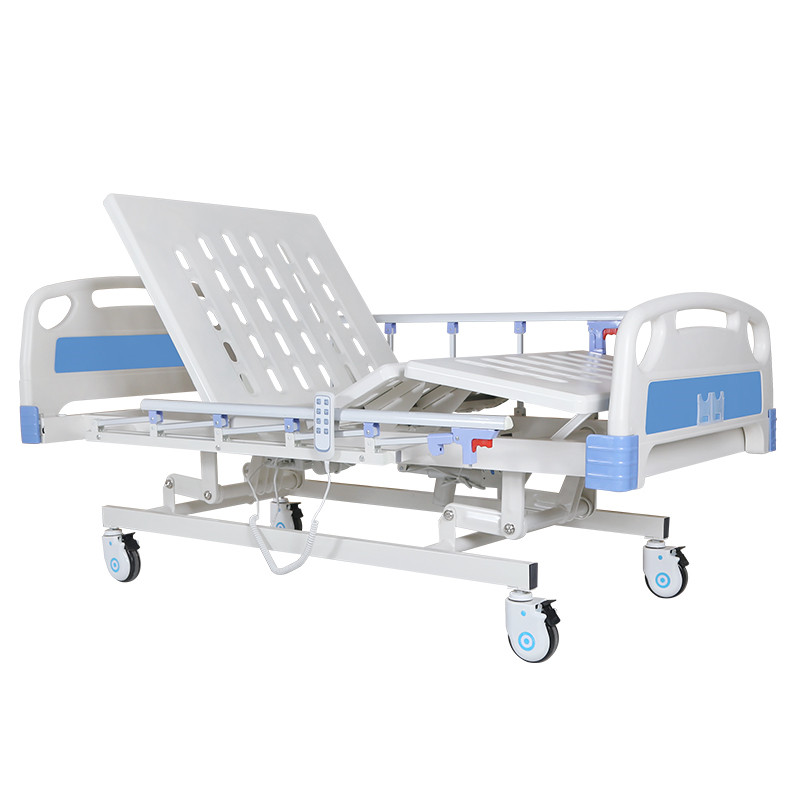
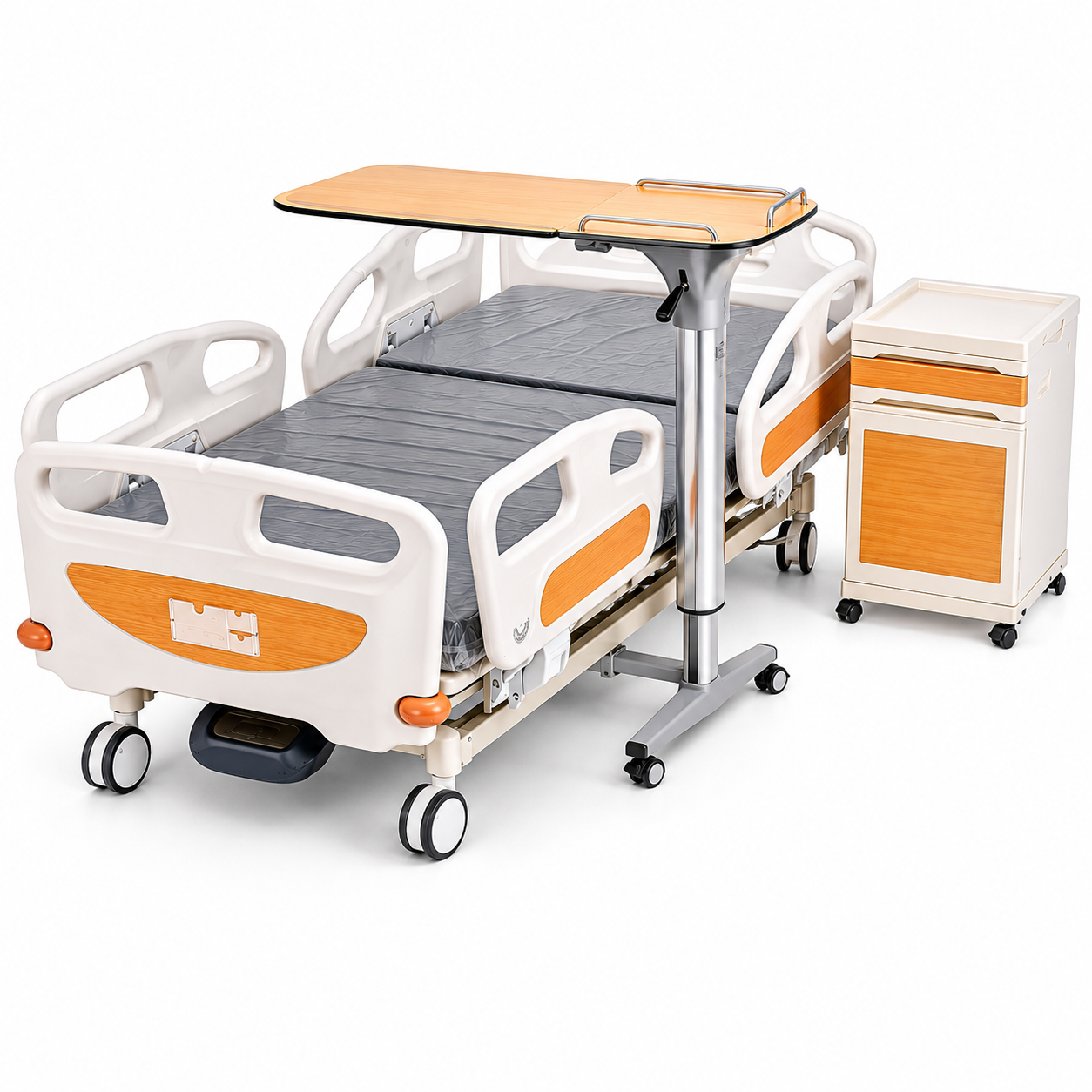

For hospitals, clinics, and medical equipment distributors, purchasing hospital beds is not only a price comparison process. Clear technical specifications are essential to ensure that the delivered products meet clinical requirements. Without a complete specification checklist, buyers may face problems such as incorrect configurations, missing accessories, inconsistent product quality, or unexpected costs after delivery. A professional purchasing process starts with defining exactly what type of hospital bed is required. A complete technical specification should describe the product structure, functions, materials, and operating requirements. Explore our Hospital Bed solutions for hospitals, clinics, and healthcare projects. Bed dimensions directly affect patient comfort, room layout, and transportation requirements. Hospitals should confirm whether the bed size matches patient requirements, room space, elevators, and local facility standards. Different healthcare environments require different levels of adjustment functions. The backrest function supports patient positioning for eating, communication, examination, and comfort. Leg adjustment helps improve patient comfort and supports different resting positions. Adjustable height allows caregivers to work more efficiently and safely. Some medical applications may require additional positioning functions. The frame structure determines the durability and stability of a hospital bed. Hospital beds are used continuously in healthcare environments, so reliable materials help improve service life and reduce maintenance problems. Patient safety is one of the most important considerations when selecting hospital beds. Buyers should confirm the side rail structure, operation method, and safety performance. For mobile hospital beds, the braking system should provide stable positioning during patient care activities. For electric hospital beds, electrical specifications should be clearly confirmed before ordering. The controller should be easy to operate and match the required bed functions. Different patient groups may require different load capacities. Hospital beds are often supplied together with accessories according to project requirements. Confirming accessories before production helps avoid additional purchasing costs and compatibility problems. Professional buyers should define quality requirements before placing large orders. Different countries and healthcare projects may require customized solutions. A detailed technical specification protects both buyers and manufacturers by creating a clear understanding of the final product requirements. It helps buyers compare suppliers fairly and reduces communication problems during production and delivery. An experienced hospital bed manufacturer can help buyers select suitable configurations based on application requirements instead of simply offering standard products. Learn more about our manufacturing capability through our Factory page. Before ordering hospital beds, do not focus only on price. A complete technical specification is the foundation for successful procurement, stable quality, and long-term cooperation. If you need professional support selecting hospital bed specifications for your project, Contact Us to discuss your requirements.Why Hospital Bed Specifications Matter Before Purchasing
Basic Information Every Hospital Bed Specification Should Include
Product Identification Information
Important Details Include:
1. Confirm Hospital Bed Dimensions
Important Dimension Parameters
Why Dimensions Matter
2. Confirm Required Bed Functions
Common Hospital Bed Functions
Backrest Adjustment
Leg Adjustment
Height Adjustment
Advanced Functions
3. Check Bed Frame and Material Specifications
Important Material Information
Why Material Quality Matters
4. Confirm Safety Features
Side Rail Requirements
Check:
Brake System
Confirm:
5. Check Electric System Specifications
Important Electrical Information
Hand Controller Requirements
6. Confirm Weight Capacity and Load Requirements
Important Parameters Include:
7. Confirm Accessories and Additional Equipment
Common Accessories Include:
Why Accessories Should Be Confirmed Early
8. Confirm Quality and Testing Requirements
Quality Confirmation May Include:
9. Confirm Customization Requirements
Possible Customization Includes:
Hospital Bed Specification Checklist Before Ordering
Why Clear Specifications Improve Purchasing Results
Professional Suppliers Provide Better Technical Support
Expert Tip