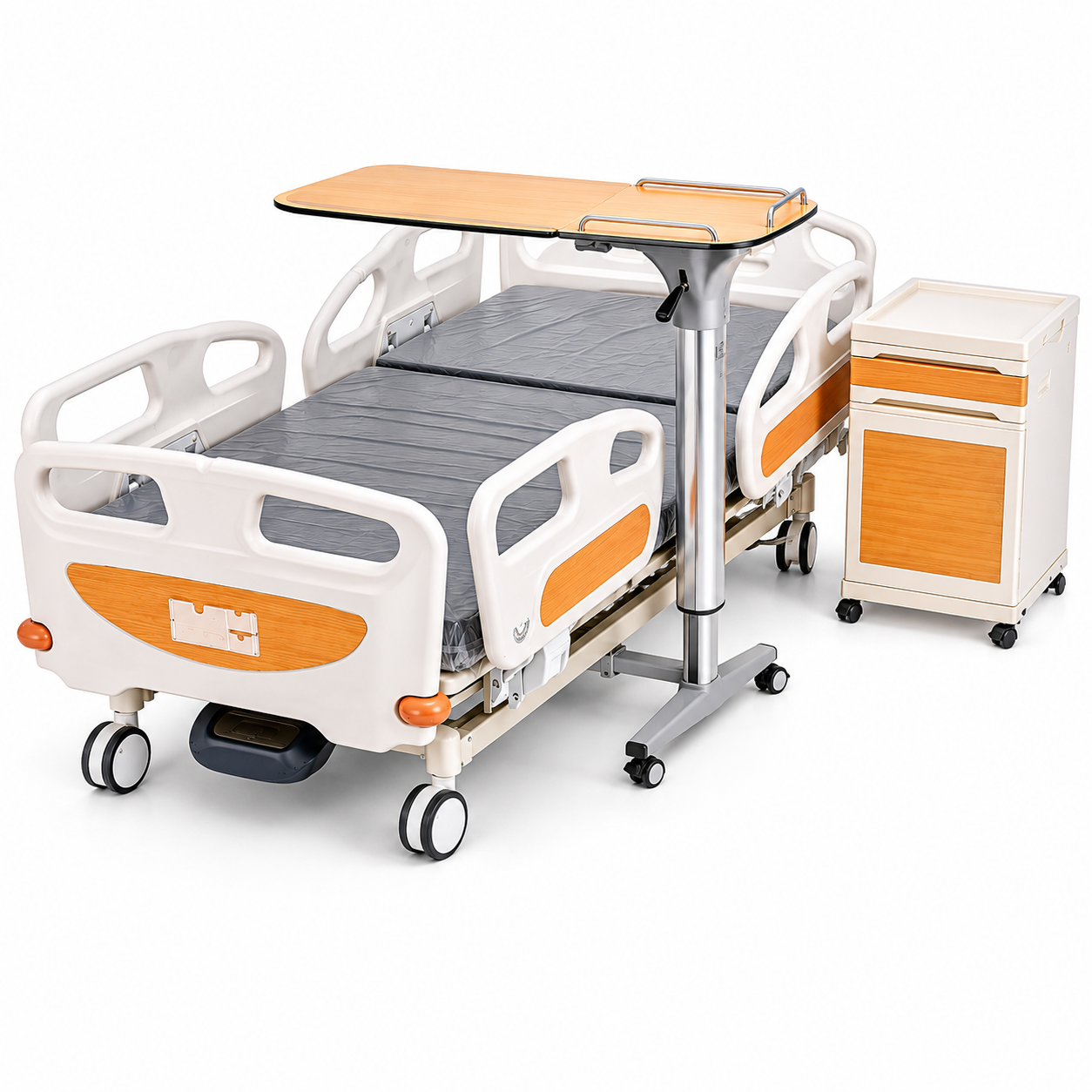

A patient care bed can have a clean finish, smooth wheels, and a good-looking control panel, but the frame still decides how the product behaves after months of daily use. For import buyers and distributors, welding quality is not a small factory detail. It affects stability, noise, packing damage, service calls, and how confidently your sales team can stand behind the product.
Why Frame Welding Should Be Checked Before Price Negotiation
Many buyers start by comparing bed functions, motor quantity, and packaging size. Those points matter, but the steel frame is the part that carries repeated load, movement, cleaning, and transport stress. If the welding is inconsistent, the problem may not appear during a showroom video. It may show up later as frame noise, uneven deck movement, cracked paint around joints, or complaints from care facilities.
When talking with a patient care bed factory, ask how frame welding is controlled during production. A serious supplier should be able to explain welding fixtures, production inspection, grinding standards, and how they prevent left-right deviation. The answer does not need to sound complicated. In fact, the best answer is usually practical and specific.
Look at the Bed as a Working Structure
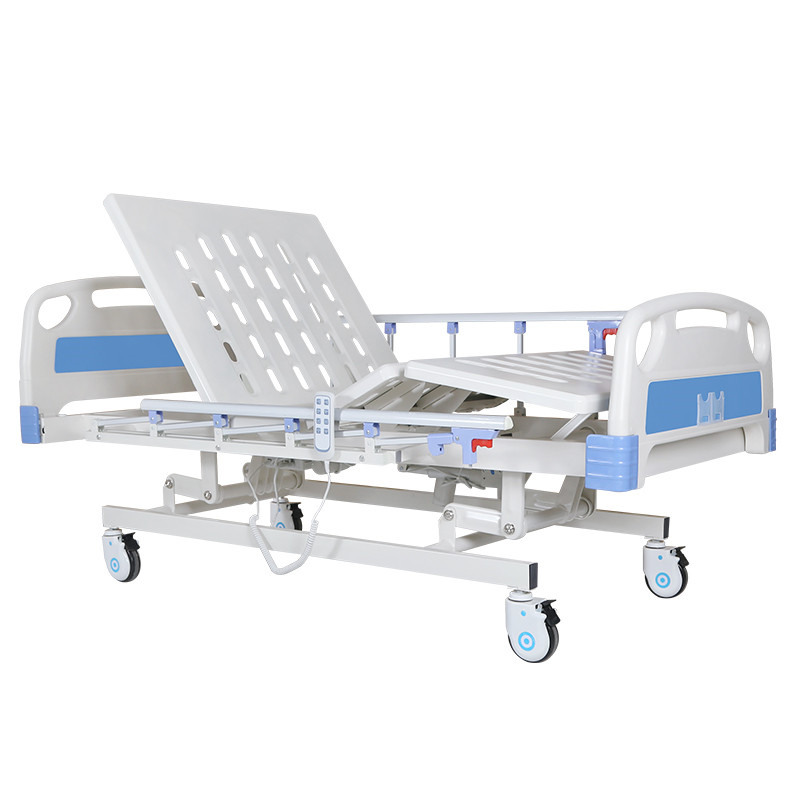
A patient care bed is not a static furniture item. The backrest rises, the knee section moves, the bed may be pushed across floors, and staff may lean on the frame while changing bedding. These small forces repeat every day. Good welding helps the bed keep its shape, so moving parts stay aligned and the product feels solid.
For buyers comparing models in the hospital bed category and nursing bed category, the frame standard should match the expected care environment. A general ward, a nursing home, and a rehabilitation room may all use similar-looking beds, but their daily handling can be very different.
What Photos and Videos to Request
Before a large order, ask for close-up photos of corner joints, actuator mounting plates, caster brackets, side rail supports, and deck hinge areas. These are the places where poor welding usually creates trouble. Do not only ask for a full-bed beauty photo. A reliable patient care bed supplier should not mind showing the frame before final assembly.
A short video can also help. Ask the supplier to lift the backrest and knee section while the camera stays near the frame. Listen for unusual rubbing or sudden movement. A bed does not have to be silent, but the movement should feel controlled. If the supplier can only provide old catalog photos, that is not enough for a serious B2B procurement decision.
Paint Finish Around Welded Areas
Paint tells you more than color. Around welds, look for bubbling, missed corners, rough grinding marks, and areas where the coating looks thin. These issues may not be structural at first, but they make the product look cheaper and may become after-sales complaints, especially in humid markets or facilities with frequent cleaning.
If the order includes accessories such as side rails, IV poles, or mattress platforms, check whether those bed accessories connect to welded parts. A good accessory can perform badly if the mounting point is weak or poorly aligned.
Inspection Points for a First Order
For a first container order, write a simple frame checklist: welds should be continuous where required, no sharp burrs should remain, brackets should be aligned, moving decks should not rub the frame, and painted surfaces around joints should be complete. This is easier for an inspector to apply than a long technical document that no one follows.
If you are not sure which model fits your target market, discuss the use scenario before confirming the order through the contact page. A good patient care bed manufacturer will help you match frame strength, function level, and packing method to the buyer channel, instead of pushing the same model to every customer.
A Practical Buying View
Good welding does not make a bed look dramatic in a brochure, but it protects the buyer quietly. It reduces assembly surprises, supports smoother movement, and gives your local team fewer problems to explain. In B2B medical equipment trade, that kind of boring reliability is exactly what creates repeat orders.
When the price difference between two suppliers looks small, frame workmanship is one of the areas worth checking carefully. A cheaper bed that creates service calls is not cheaper for long.