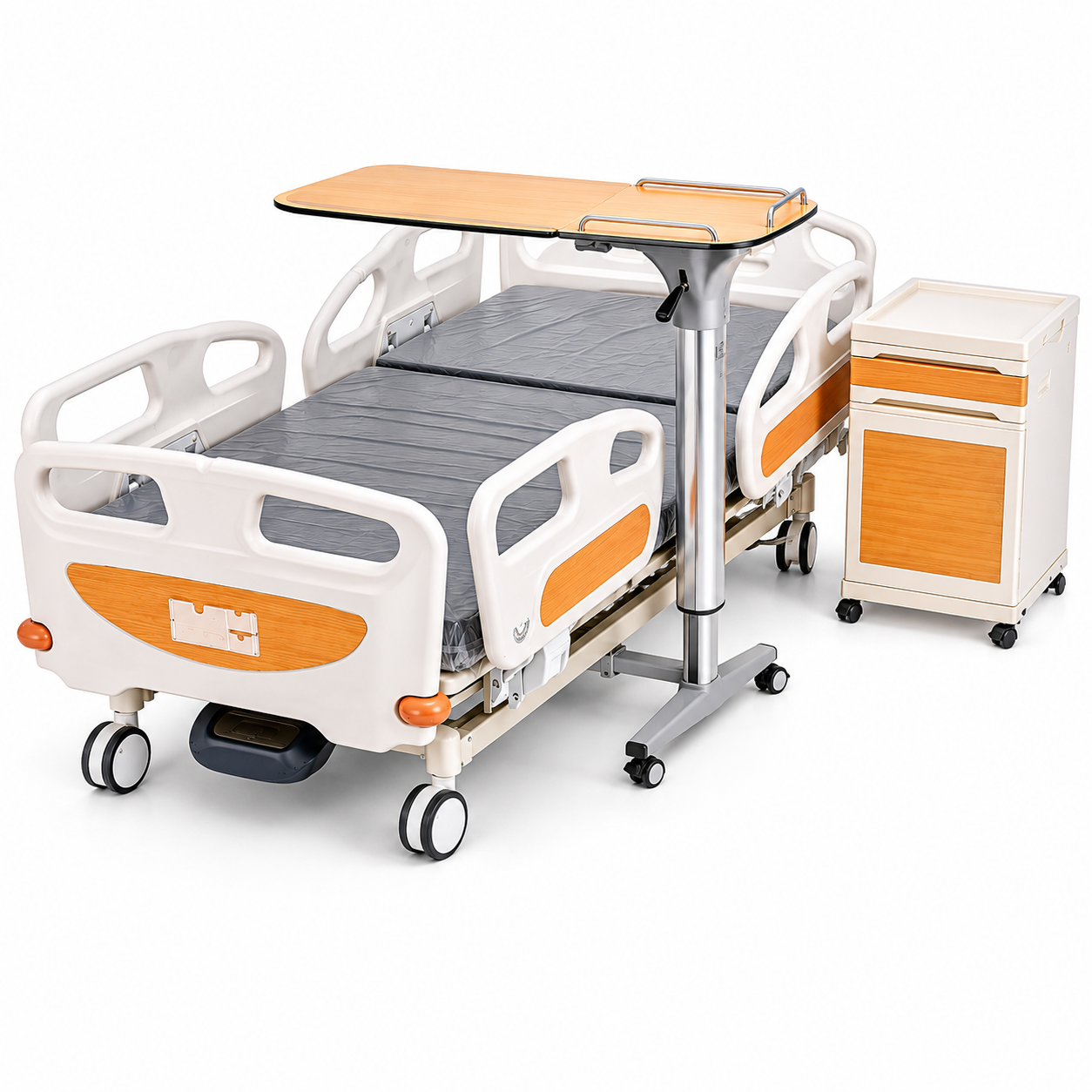

Pre-shipment photos are not a replacement for professional inspection, but they are one of the simplest ways for import buyers to catch configuration mistakes before goods leave the factory. A patient care bed order usually includes frames, boards, rails, mattresses, labels, accessories, and packing details. If the photo review is casual, the buyer may only discover a mismatch after the container arrives.
Build The Photo List Before Production Ends
Why timing matters
Buyer note
The photo list should be confirmed before the factory starts final packing. Once every carton is sealed, it becomes harder to check rail type, accessory position, wiring route, labels, and small fittings. A buyer should not wait until the shipping date to ask for detailed photos.
For related product comparison, keep the patient care bed reference in the same procurement file so purchasing, sales, and service teams follow one clear standard.
What to request first
Buyer note
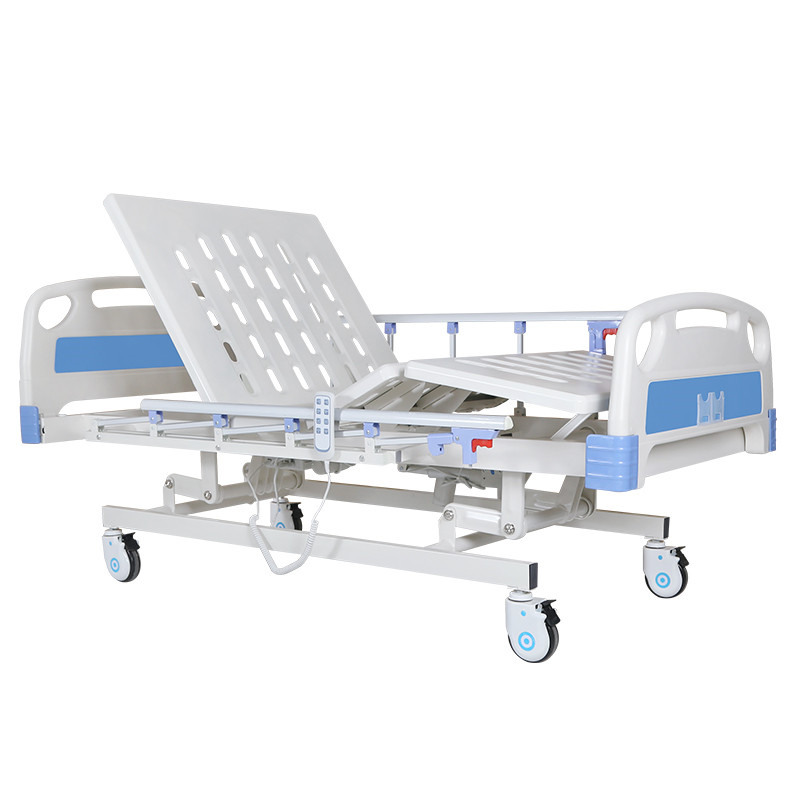
Start with assembled bed views from front, side, foot end, head end, and underside. Then request close-ups of rails, castors, brakes, board connection, mattress retainers, handset holder, labels, and accessory bags. These photos should match the approved order configuration.
How to keep communication clear
Buyer note
Use the same file names or checklist sequence for every order. If the buyer asks for random photos through chat, the supplier may send attractive views but miss the practical evidence needed for confirmation.
Check Configuration Before Appearance
Model and function
Buyer note
For related product comparison, keep the nursing bed reference in the same procurement file so purchasing, sales, and service teams follow one clear standard.
The first review should confirm that the correct model and function type were produced. A beautiful bed with the wrong rail, wrong board, or wrong height range is still a wrong shipment. Compare the photos with the purchase order and approved sample notes.
Visible parts
Buyer note
Look at board color, side rail style, castor size, brake pedal, controller position, and accessory mounting points. These are the details dealers and hospitals notice quickly after delivery.
Small parts
Buyer note
Small parts deserve close-up photos. Missing retainers, remote holders, or sockets may seem minor at the factory, but they can delay installation at the buyer side.
Use Photos To Support Inspection And Claims
Inspection reference
Buyer note
For related product comparison, keep the standing bed reference in the same procurement file so purchasing, sales, and service teams follow one clear standard.
A photo review creates a useful reference for incoming inspection. The receiving team can compare cartons and products with the factory photos, especially when several models are shipped together.
Claim evidence
Buyer note
If damage or shortage appears after arrival, factory photos help identify whether the issue happened before loading, during shipment, or during local handling. This does not solve every dispute, but it gives the conversation a factual starting point.
Repeat-order control
Buyer note
For repeat orders, keep the best photo set from the previous shipment. It becomes a simple visual standard for the next order and helps new purchasing staff understand what was approved.
Buyer Checklist
Practical detail
For related product comparison, keep the bed accessories reference in the same procurement file so purchasing, sales, and service teams follow one clear standard.
Ask for assembled views, underside photos, rail close-ups, brake photos, label photos, accessory bag photos, packing photos, and loading photos. Keep the checklist short enough that the supplier can follow it every time.
Final Advice
Practical detail
A pre-shipment photo routine is not about mistrust. It is about reducing preventable mistakes. Buyers who review photos carefully usually handle patient care bed orders with fewer surprises and faster receiving work.
How buyers should mark photo problems
Field note
When a photo shows a possible problem, mark it clearly instead of sending a general comment such as please check. Circle the issue, name the part, and explain what should match the approved order. This saves time because the factory can forward the note directly to production or packing staff.
When to ask for a second photo
Field note
If the first photo is blurred, too far away, or taken from a flattering angle, ask for another one. A buyer should not approve unclear evidence just to keep the shipment moving. One extra photo before loading is cheaper than one wrong assumption after arrival.
What the supplier learns from the routine
Field note
A consistent photo routine also trains the supplier. After several orders, the factory learns which details the buyer checks every time. This usually improves preparation, because the supplier knows vague photos will not close the order.
How this supports dealer confidence
Field note
Dealers depend on the importer to deliver the same configuration repeatedly. A good pre-shipment photo record helps the importer answer dealer questions with evidence, not memory. That makes the product line easier to sell and support.
For related product comparison, keep the contact page reference in the same procurement file so purchasing, sales, and service teams follow one clear standard.