

Spare part coding looks like a back-office detail, but it becomes very important once a patient care bed business starts selling in quantity. Import buyers may handle several models, different rail versions, electric and manual options, and small accessories that look similar but do not fit the same way. A clear coding system keeps service work calm and prevents wrong parts from being shipped to dealers or facilities.
Start With Model Identity
Every spare part code should connect back to a clear bed model. If the buyer uses one code and the factory uses another, both codes should be recorded together. This avoids confusion when a service team sends a photo and asks for a replacement.
A good model identity includes series name, function type, bed width, rail version, and major configuration. The code does not need to be long, but it must be stable. Changing codes casually makes old records less useful.
When checking this point, keep the related patient care bed models in the same procurement file so sales, purchasing, and service teams follow one clear standard.
For import buyers, model identity is the base layer of after-sales control. Without it, even a simple rail cap or remote holder can turn into a long email discussion.
Separate Similar-Looking Parts
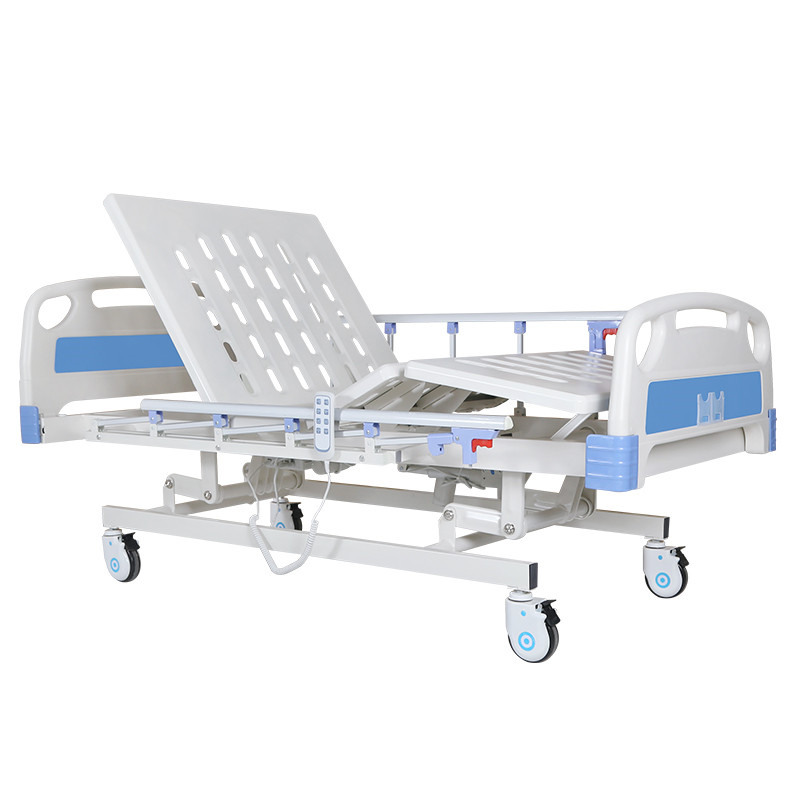
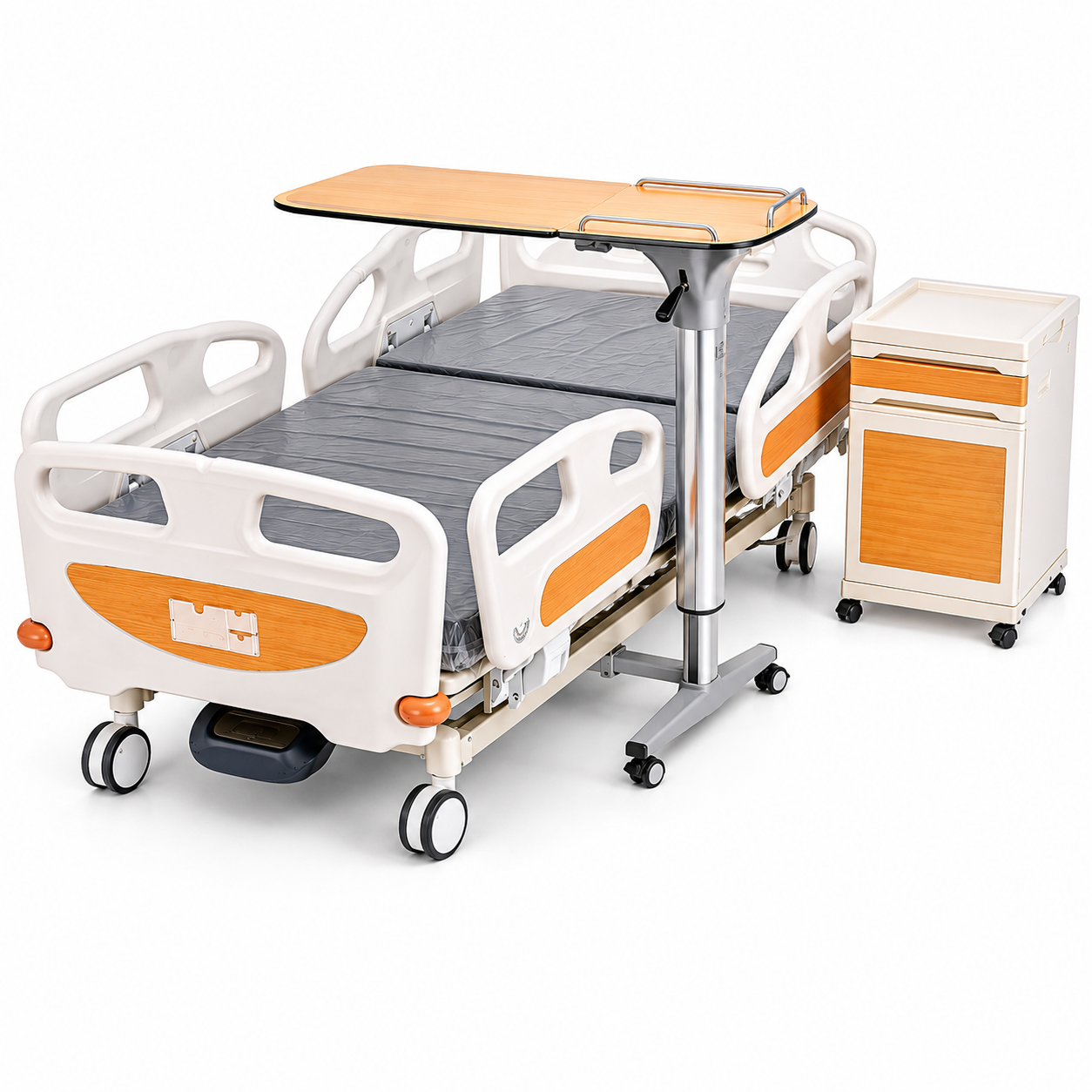
Many bed parts look similar in photos. Rail pins, handset holders, board locks, brake covers, mattress retainers, and actuator brackets may differ by only a few millimeters. The coding system should treat them as different parts if they are not interchangeable.
Do not use a general name such as plastic cover for every cover on the bed. Add location, model, and version. A service person should be able to choose the correct item without guessing.
When possible, keep one reference photo for each part code. Photos reduce language problems and make dealer communication faster.
Use Codes In The Packing List
Spare part codes should appear in packing lists, accessory bags, and service files. If the code exists only in the factory's internal system, it does not help the buyer after shipment.
For first orders, ask the supplier to label the spare part kit clearly. The buyer can then build local stock based on the same code system.
When checking this point, keep the related nursing bed parts in the same procurement file so sales, purchasing, and service teams follow one clear standard.
If the shipment includes optional accessories, those items should be coded separately from standard parts. This prevents a dealer from ordering a standard kit when the customer actually needs an optional part.
Build A Small Dealer Reference Sheet
A dealer reference sheet should list the common part code, English name, photo, compatible model, and normal use position. It does not need to include every screw. Start with the parts dealers actually request.
The sheet can be improved after several months of sales. If one part is requested often, add clearer photos and installation notes. If one part is often confused with another, place them side by side in the sheet.
This practical document saves more time than a large manual that nobody opens during a service call.
Control Code Changes During Repeat Orders
If a supplier changes a bracket, rail fitting, or plastic holder, the part code should also be reviewed. Sometimes the old part and new part are compatible. Sometimes they are not. The buyer needs to know which situation applies.
For repeat orders, ask whether any service part has changed since the previous shipment. This question should be part of order confirmation, not something discovered after a customer needs replacement.
A stable spare part system helps buyers build confidence with hospitals, care homes, and distributors.
When checking this point, keep the related standing bed components in the same procurement file so sales, purchasing, and service teams follow one clear standard.
Final Buyer Advice
Spare part coding is not complicated, but it needs discipline. Start with model identity, separate similar parts, use codes in documents, keep photos, and record changes.
A patient care bed supplier who can support this process is easier to work with because the product remains manageable after the first container is sold.
A Simple Code Structure Buyers Can Use
A practical code can include product series, part location, part type, and version. For example, a rail holder for a specific model should not share a code with a similar holder from another model unless they are confirmed interchangeable.
Do not make the code so complex that staff avoid using it. The best code is short enough for daily communication and detailed enough to prevent wrong orders.
If the buyer already has an ERP or warehouse system, match the supplier code with the internal SKU. Both numbers should appear in the service sheet.
The goal is not perfect engineering language. The goal is fast, accurate replacement.
Why Coding Improves Supplier Evaluation
When checking this point, keep the related bed accessories in the same procurement file so sales, purchasing, and service teams follow one clear standard.
A supplier who can provide clean spare part information usually has better product control. It shows that the company thinks beyond the first sale.
For importers, this becomes part of supplier evaluation. Price matters, but service organization also matters when building a long-term product line.
If two suppliers offer similar beds, choose the one that helps you manage parts, drawings, photos, and repeat orders more clearly.
After-sales structure is part of product quality. Spare part coding makes that structure visible.
How To Start Without Rebuilding The Whole System
Many buyers think spare part control requires a large software system. It does not. Start with the twenty parts most likely to be requested after delivery. Give each part a code, a photo, a model match, and a short English name.
After the first few months, review dealer questions. Add codes for the parts that created confusion. Remove unclear names. Improve photos. This gradual method is easier than trying to classify every small component before the first order ships.
The buyer should also decide who controls the list. If sales, warehouse, and service teams each keep their own version, mistakes will return. One shared file is enough at the beginning.
A simple, maintained spare part list is better than an impressive document that is never updated.
What To Ask The Supplier During Negotiation
Ask whether the supplier can provide part photos before shipment, whether common parts can be packed as a starter service kit, and whether part codes will remain stable for repeat orders.
Ask how the supplier handles design changes. If a rail holder changes shape, will old and new parts be compatible? If not, how will the buyer know which version was supplied to which order?
These questions do not slow down negotiation. They reveal whether the supplier understands export after-sales work.
For a serious patient care bed business, after-sales clarity is not extra service. It is part of the product offer.
For model selection, project quantities, or configuration confirmation, use the contact page after reviewing the technical requirements.