
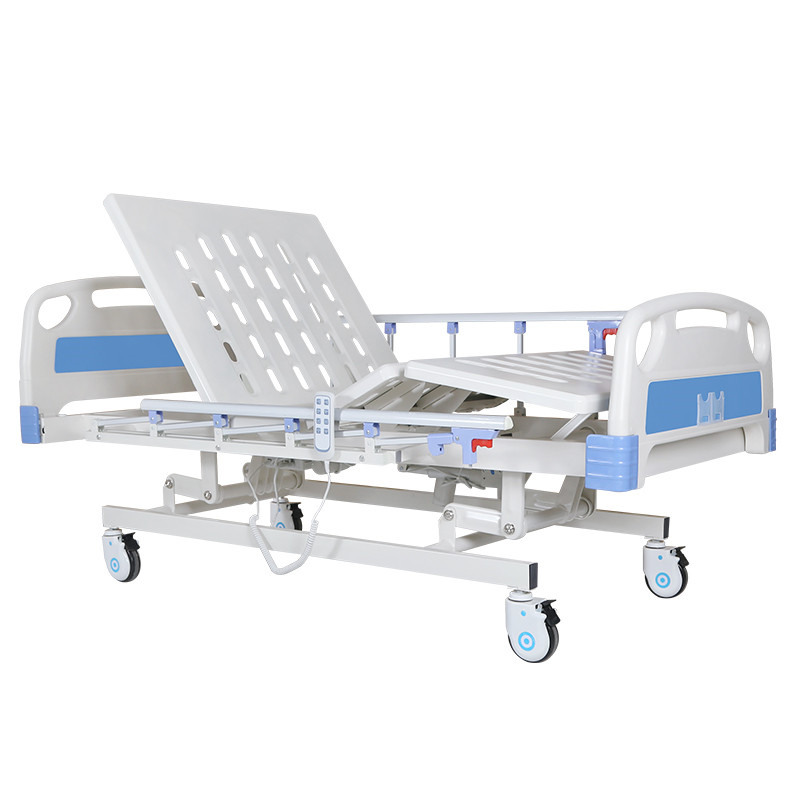
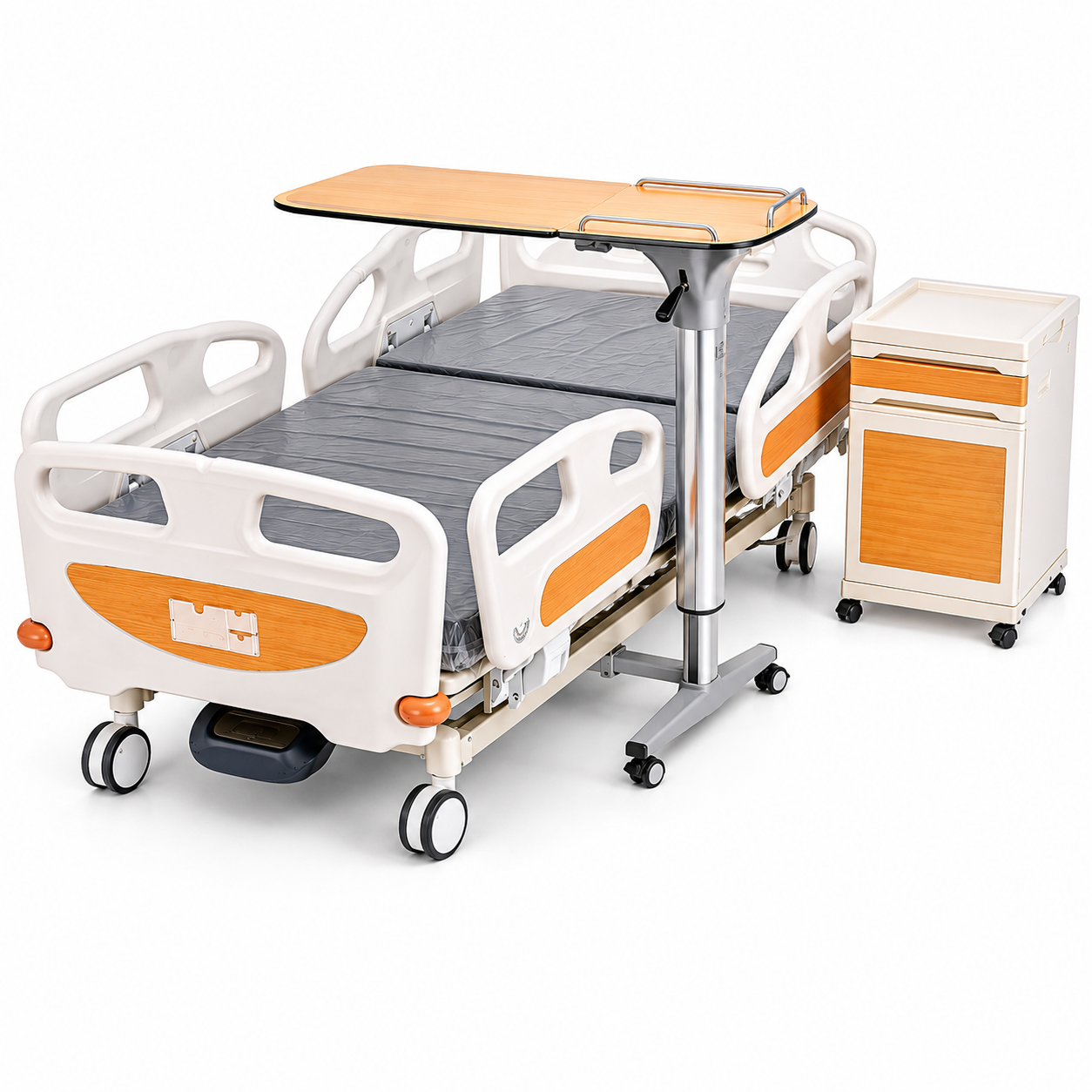

For hospital buyers, distributors, and project contractors, choosing a hospital bed manufacturer can affect far more than the purchase price. Product reliability, replacement parts, delivery schedules, technical documentation, and communication all influence the final cost of a project. A low quotation may look attractive at first, but unclear specifications or inconsistent production can create delays after the order is placed. A better sourcing decision begins with a structured evaluation. Before comparing suppliers, define the bed type, required functions, expected quantity, destination market, delivery schedule, and any tender-specific requirements. This allows manufacturers to quote the same configuration and makes each proposal easier to compare. Terms such as “three-function bed” or “ICU bed” may describe different configurations from one supplier to another. Ask each manufacturer to list the adjustment functions, platform size, height range, side rail material, caster system, braking method, motor or crank system, and available accessories. Review the supplier’s hospital bed models and configurations to see whether its product range matches the needs of your wards or project. Important values should be supported by an approved specification sheet, product label, test record, or other relevant document. Buyers should avoid assuming that every option shown in a catalogue is included in the quoted price. Ask the supplier to identify standard equipment, optional accessories, and market-specific configurations separately. A dependable factory should be able to explain how it checks incoming materials, welded frames, surface finishing, electrical functions, assembly, braking, packaging, and final appearance. When comparing electric and manual hospital beds, buyers can also ask how movements, brakes, handsets, and cables are tested before packing. Export packaging must protect headboards, side rails, castors, frames, and electrical components throughout inland handling and sea transportation. It is also useful to confirm which spare parts can be supplied, how parts are identified, and whether installation or maintenance instructions are available. Reliable hospital bed manufacturers usually ask detailed questions before giving a final quotation. They clarify clinical use, room conditions, plug type, voltage, accessories, packaging, and destination requirements instead of sending only a price. Clear answers at the enquiry stage reduce misunderstandings later. For a first order, consider a sample, video inspection, third-party inspection, or agreed pre-shipment checklist. The inspection criteria should be confirmed before production so both buyer and manufacturer understand the acceptance standard. Before selecting a supplier, confirm five points: the quoted configuration is complete, key specifications are documented, quality checks are explained, packaging suits export transport, and replacement-part support is available. Price remains important, but it should be compared only after these conditions are aligned. If you are preparing a hospital project or distributor order, contact our hospital bed team with your required functions, quantity, destination, and tender documents. A configuration-based quotation will be more useful than a general price list.Choosing a Manufacturer Is More Than Comparing Prices
Start With the Product, Not the Company Brochure
Confirm the Exact Bed Configuration
Request Evidence Behind Important Specifications
Evaluate How the Factory Controls Consistency
Ask About Inspection Stages
Check Packaging and Spare-Part Planning
Compare the Supplier’s Working Process
Communication Before the Order Predicts Support After the Order
Look for Clear, Specific Answers
Use Samples or Pre-Shipment Checks for New Suppliers
A Practical Shortlist for Buyers