
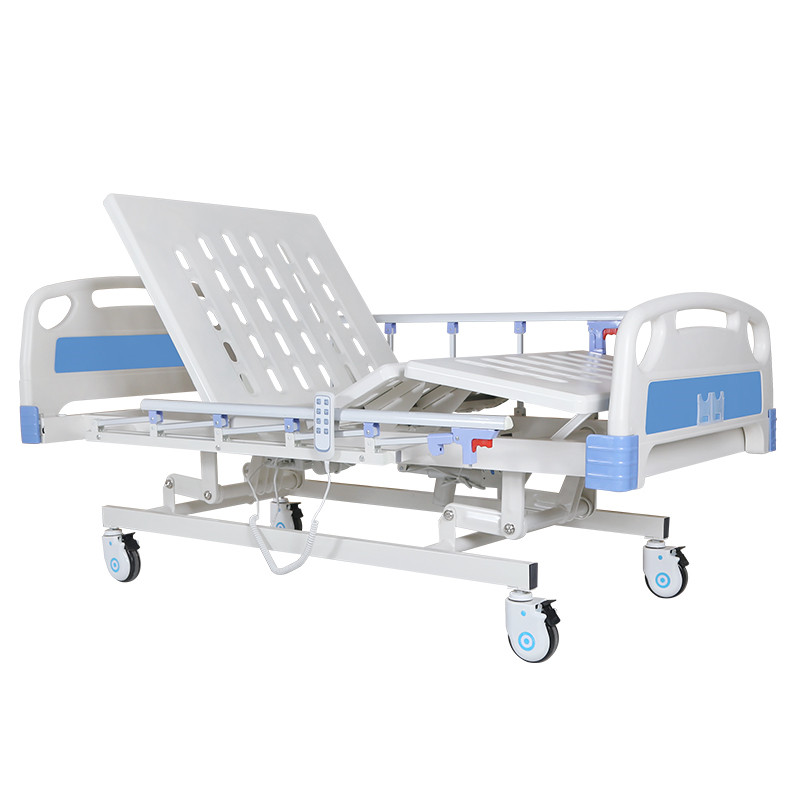
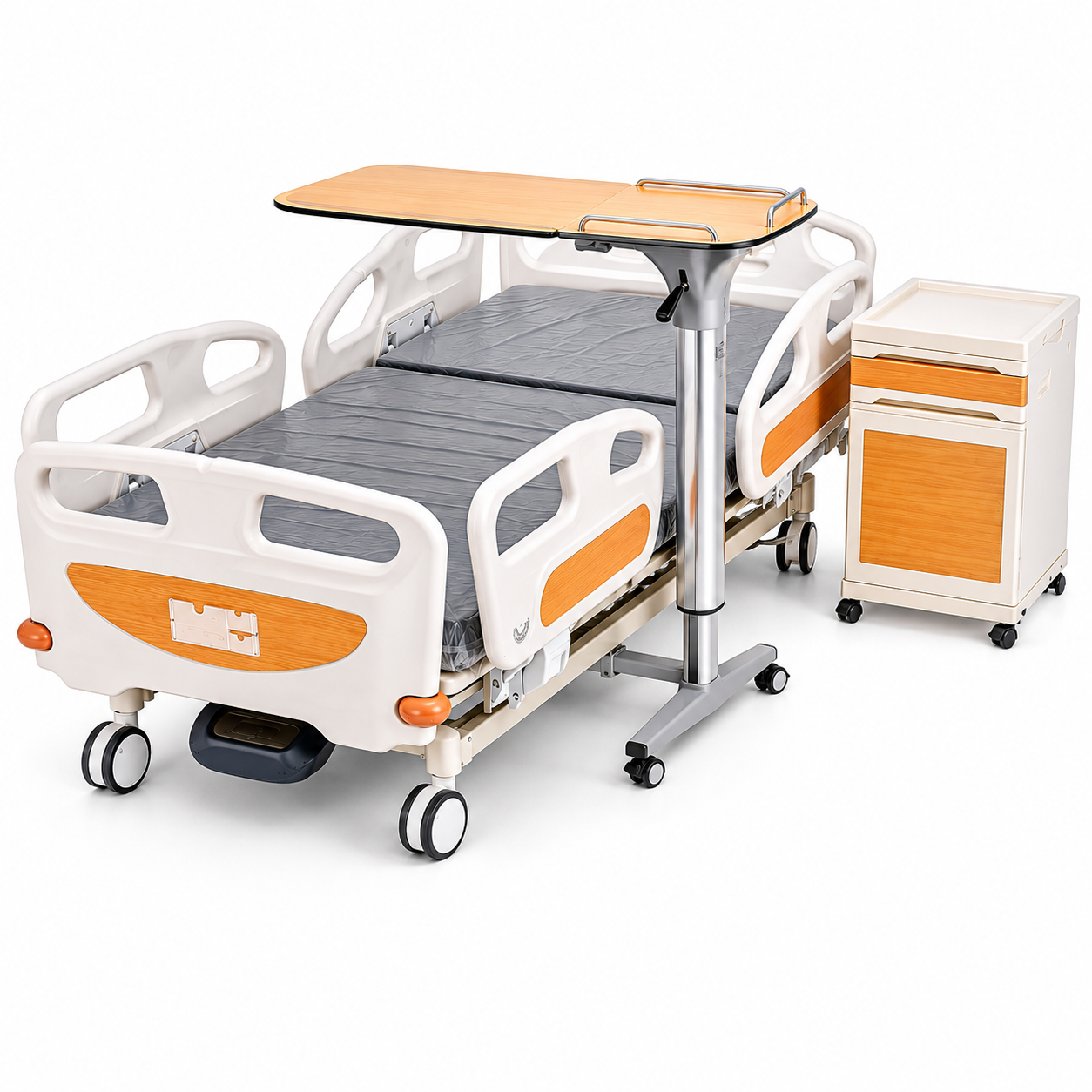

Hospital beds are long-term healthcare investments. A bed that performs reliably can improve patient comfort, support caregivers, and reduce maintenance problems during years of operation. However, product appearance and quotation price alone cannot fully represent quality. Professional buyers need to evaluate materials, structure, functions, safety features, and manufacturing capability before making a purchasing decision. A complete quality evaluation process helps hospitals and distributors select reliable medical equipment suppliers. The overall quality of a hospital bed depends on multiple components working together. Explore our Hospital Bed solutions designed for hospitals, clinics, and healthcare projects. The frame is the foundation of a hospital bed and directly affects stability and service life. Hospital beds are frequently adjusted, moved, and used by different patients. A strong frame helps maintain reliable performance under continuous operation. The materials used in hospital beds influence durability, cleaning convenience, and appearance. Hospital bed functions should operate smoothly and consistently. For electric hospital beds, the motor and control system are critical components. Side rails play an important role in patient protection and caregiver operation. Hospital beds often need to be moved during patient care and facility management. Hospital beds should not only provide medical functions but also support patient comfort. A reliable hospital bed manufacturer should have a clear quality management process. Checking incoming materials before production helps maintain consistency. Manufacturing teams should verify assembly quality during production. Finished products should be tested before shipment. Product quality depends not only on design but also on the manufacturer's ability to produce consistently. Learn more about our manufacturing capability through our Factory page. Before placing a large order, professional buyers should request sufficient product information. A hospital bed is not a short-term purchase. Selecting reliable equipment can reduce unexpected repairs, improve patient experience, and support stable healthcare operations. Professional buyers evaluate quality before purchase instead of solving problems after delivery. When comparing hospital beds from different suppliers, do not focus only on the price difference. Check the structure, components, production process, and long-term support behind each quotation. If you are looking for reliable hospital beds for hospitals, clinics, or healthcare projects, Contact Us to discuss your requirements.Why Hospital Bed Quality Evaluation Is Important
What Factors Determine Hospital Bed Quality?
Main Evaluation Factors Include:
1. Check the Hospital Bed Frame Structure
Important Structural Factors Include:
Why Frame Quality Matters
2. Evaluate Material Quality
Common Materials Include:
Questions Buyers Should Ask:
3. Test Adjustment Functions
Important Function Tests Include:
Good Adjustment Performance Should Provide:
4. Evaluate Electric System Quality
Important Electric Components Include:
Buyers Should Confirm:
5. Inspect Side Rail Safety Design
A Quality Side Rail Should Have:
Common Side Rail Problems Include:
6. Check Caster and Brake Performance
Important Caster Factors Include:
A Good Brake System Provides:
7. Evaluate Patient Comfort Design
Comfort Factors Include:
8. Review Manufacturing Quality Control
Important Production Stages Include:
Material Inspection
Assembly Inspection
Final Testing
9. Evaluate Supplier Manufacturing Capability
Supplier Evaluation Factors Include:
10. Request Product Testing and Documentation
Useful Information Includes:
Common Mistakes When Evaluating Hospital Beds
Hospital Bed Quality Evaluation Checklist
Why Quality Evaluation Helps Reduce Long-Term Costs
Expert Tip