
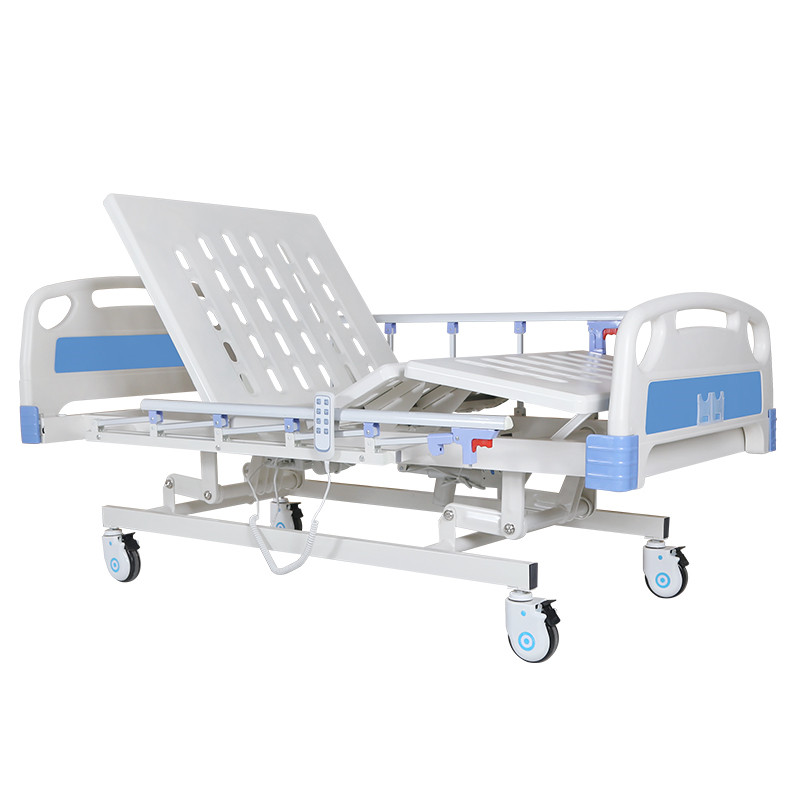
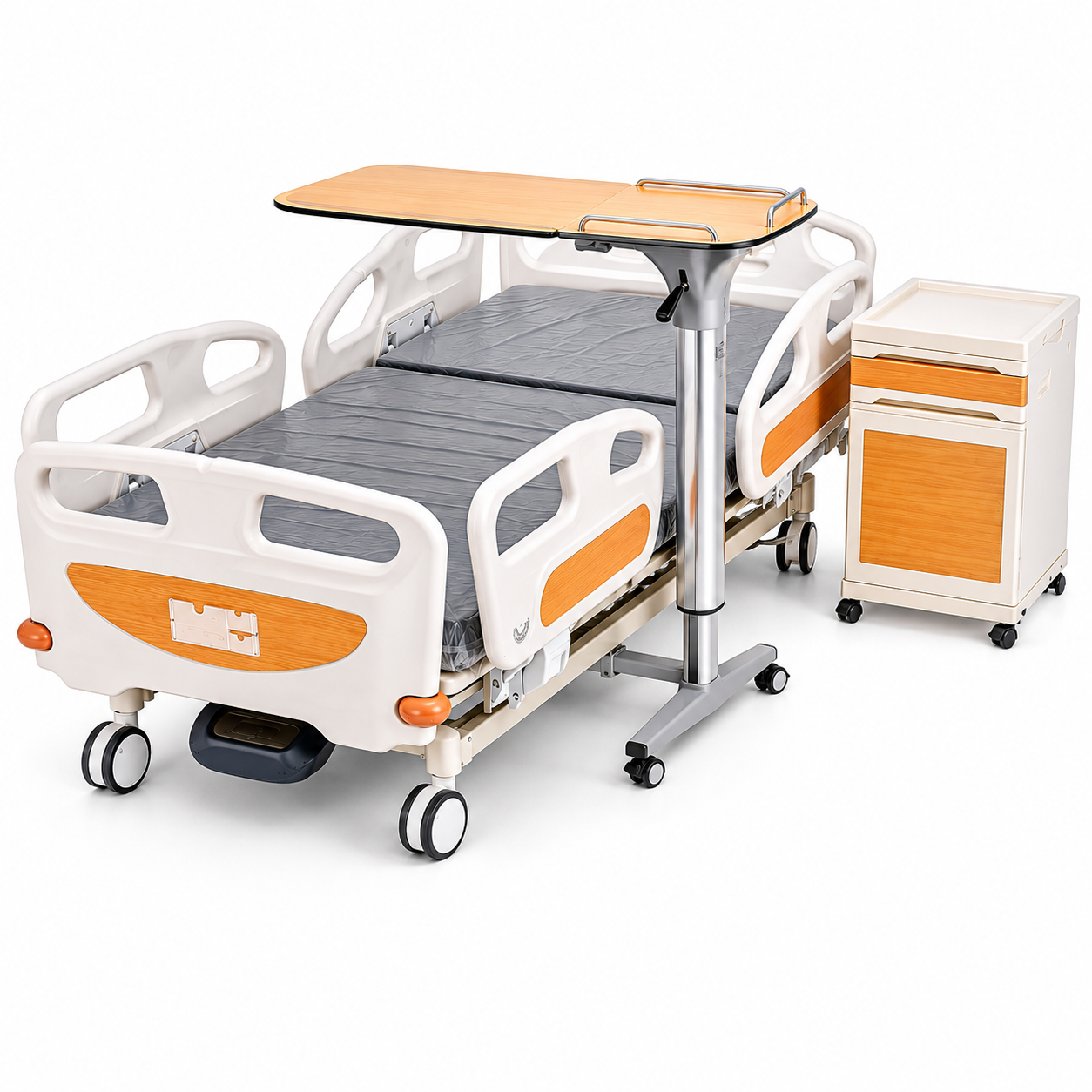

When purchasing hospital beds for hospitals, clinics, distributors, or healthcare projects, confirming detailed specifications before ordering is one of the most important steps. A hospital bed is not defined only by its appearance or product name. Different manufacturers may offer products with similar descriptions but significant differences in structure, materials, functions, accessories, and technical performance. A complete specification checklist helps buyers avoid misunderstandings, compare suppliers accurately, and receive products that match their actual application requirements. Before reviewing technical details, buyers should first define where and how the hospital beds will be used. Explore our Hospital Bed solutions designed for different healthcare environments. The first specification to confirm is the basic bed category. Different bed types provide different adjustment capabilities, price levels, maintenance requirements, and suitable applications. Hospital bed dimensions should match the facility environment, mattress availability, and transportation requirements. Incorrect dimensions may affect room layout, elevator transportation, mattress compatibility, and daily operation. Hospital bed functions should be clearly listed before ordering. Two suppliers may both describe a product as a "five-function hospital bed", but the actual movement range, control system, and mechanical design may differ. Functional names alone are not enough for professional comparison. Detailed ranges allow buyers to compare actual performance rather than relying only on marketing descriptions. The safe working load indicates the maximum recommended weight the bed can support during normal operation. Buyers should consider the patient, mattress, accessories, and additional equipment placed on the bed when evaluating load requirements. The bed frame directly influences stability and service life. Professional buyers should request technical information and production details rather than judging structure only from appearance. Side rails are important components affecting safety, operation, and product positioning. Side rails should provide appropriate protection while allowing caregivers to access and operate the bed conveniently. Hospital bed boards influence durability, cleaning, appearance, and maintenance. Casters affect mobility, stability, and daily operation. A general ward bed and an ICU bed may have different requirements for movement and braking systems. For electric hospital beds, electrical specifications should be clearly confirmed before ordering. International buyers should confirm destination-country electrical requirements before production begins. The mattress should match the hospital bed platform and intended application. For pressure management applications, buyers can also review suitable Air Mattress solutions. Hospital bed quotations may include different accessory packages. A lower quotation may exclude accessories that another supplier includes, creating an inaccurate price comparison. Packaging information is especially important for international transportation. Different countries and projects may require different product documents. For bulk hospital bed orders, delivery planning is an important part of project management. Learn more about our manufacturing capability through our Factory page. A hospital bed purchase involves many technical details that directly influence product performance, installation, maintenance, and long-term use. By confirming specifications before ordering, buyers can compare suppliers more accurately, reduce communication problems, and ensure the delivered products match their expectations. Before requesting a quotation, prepare a specification checklist and ask every supplier to confirm the same items. This makes supplier comparison faster and prevents unexpected differences after ordering. If you are sourcing hospital beds for a hospital project, distributor business, or healthcare facility, Contact Us to discuss your required specifications.Why Hospital Bed Specifications Matter Before Ordering
Start With the Intended Application
Common Applications Include:
1. Confirm Hospital Bed Type
Common Hospital Bed Types Include:
Why Bed Type Matters
2. Confirm Overall Bed Dimensions
Important Dimensions Include:
Why Dimensions Should Be Confirmed Early
3. Confirm Adjustment Functions
Common Functions Include:
Do Not Compare Only Function Numbers
4. Confirm Adjustment Angles and Height Range
Buyers Should Confirm:
Why This Information Matters
5. Confirm Safe Working Load
Confirm:
Consider the Complete User Environment
6. Check Bed Frame Materials and Structure
Important Structural Specifications Include:
Ask for More Than Product Photos
7. Confirm Side Rail Specifications
Confirm:
Operational Convenience Matters
8. Confirm Head and Foot Board Specifications
Check:
9. Confirm Caster and Brake System
Specifications to Confirm:
Different Applications Need Different Mobility Requirements
10. Confirm Electric System Specifications
Important Details Include:
Electrical Compatibility Is Essential
11. Confirm Mattress Requirements
Confirm:
12. Confirm Included Accessories
Possible Accessories Include:
Always Check What Is Included
13. Confirm Packaging Specifications
Confirm:
14. Confirm Documentation Requirements
Possible Documents Include:
15. Confirm Production and Delivery Information
Buyers Should Confirm:
Common Mistakes When Confirming Hospital Bed Specifications
Hospital Bed Specification Checklist Before Ordering
Why Detailed Specifications Reduce Purchasing Risks
Expert Tip