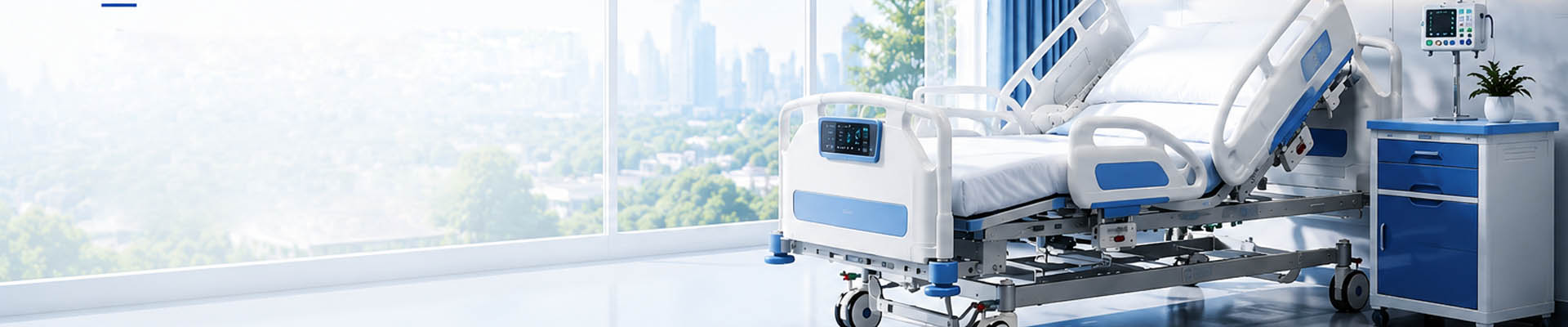
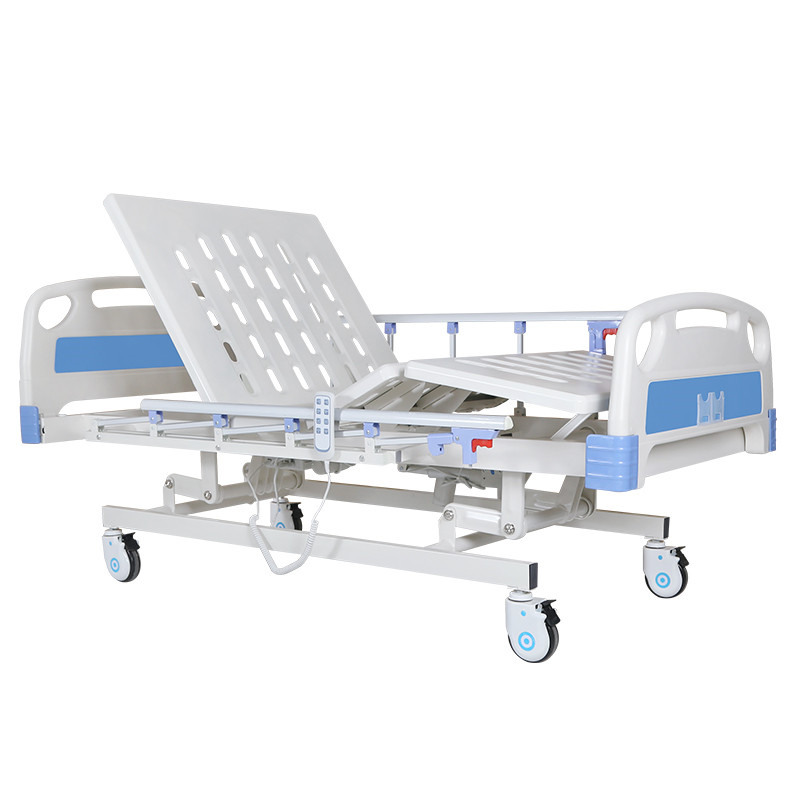
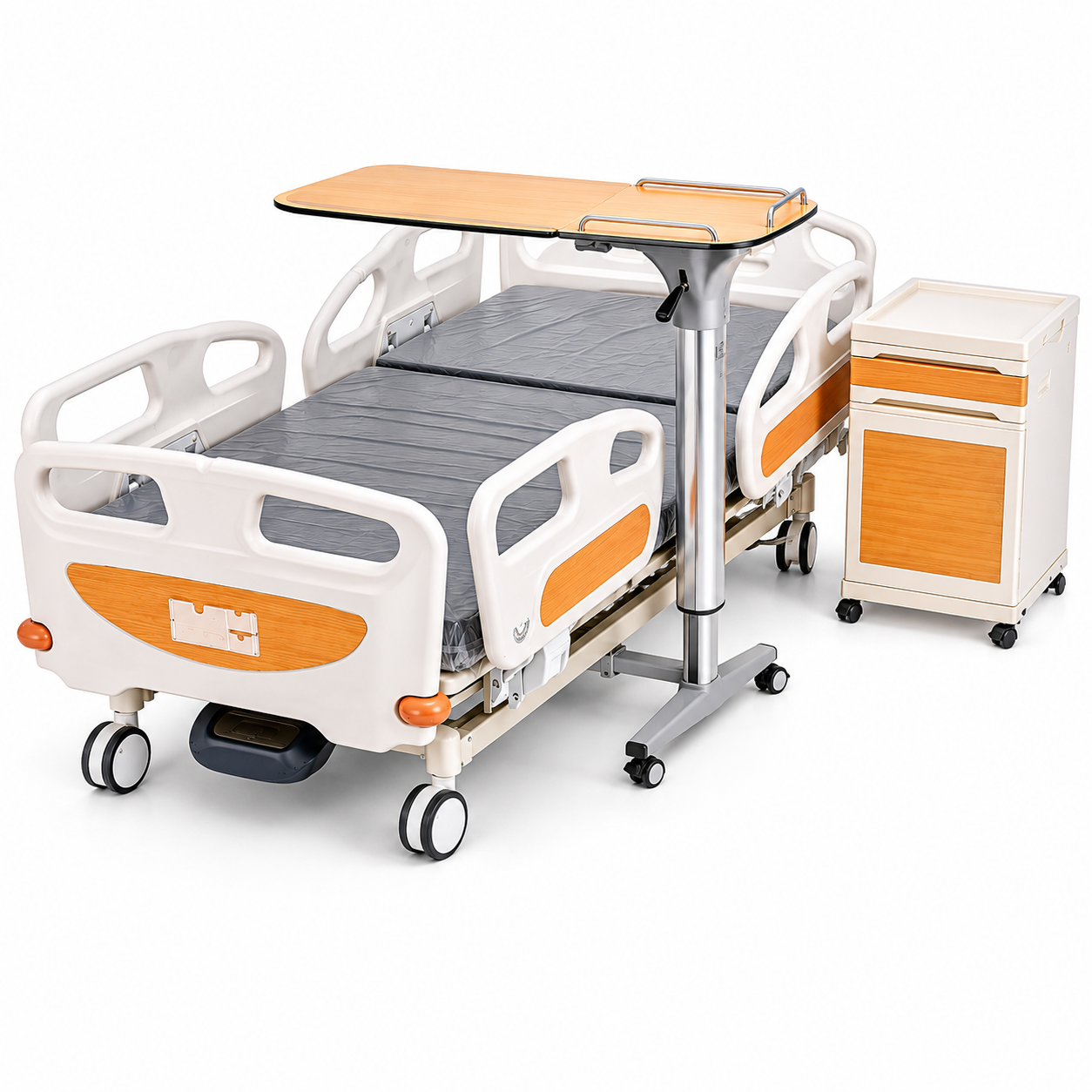

Hospital beds are essential equipment in healthcare facilities and are used continuously every day. Because they support patient care, mobility assistance, and nursing procedures, maintaining their performance is important for safety, efficiency, and long-term cost control. A well-planned maintenance program can help healthcare facilities reduce unexpected failures, improve equipment reliability, and extend the service life of hospital beds. Routine inspections allow healthcare facilities to identify potential problems before they affect daily operations. Moving parts such as adjustment mechanisms, side rails, casters, and braking systems should be inspected regularly to ensure smooth operation. For electric hospital beds, motors, controllers, cables, and power connections should be checked to maintain safe and reliable performance. Explore our professional Hospital Bed solutions designed for hospitals and healthcare facilities. Healthcare environments require strict hygiene standards. Proper cleaning procedures help protect patients and maintain equipment condition. Cleaning should be performed according to suitable procedures to avoid damaging surfaces, electrical components, or structural parts. Regular care helps reduce corrosion, wear, and unnecessary damage caused by improper handling. Small problems can become larger equipment failures if they are ignored for too long. Replacing worn components at the right time helps avoid unexpected downtime. Frequently used components may include casters, hand controllers, motors, side rail parts, and other accessories. Regular replacement of damaged parts helps ensure that safety functions continue working correctly. Correct operation is one of the simplest ways to extend equipment life. Healthcare staff should understand how to use adjustment functions and safety features correctly. Incorrect operation may create unnecessary stress on mechanical and electrical components. Clear usage guidelines help maintain consistent operation across different departments. Maintenance is important, but product quality and manufacturing standards also determine long-term performance. Hospital beds with strong frames, reliable components, and tested designs usually provide better long-term value. A professional manufacturer can provide technical support, spare parts, and guidance throughout the equipment lifecycle. The best way to reduce hospital bed operating costs is not simply purchasing cheaper equipment. Reliable product quality combined with proper maintenance creates better long-term value for healthcare facilities. Learn more about our manufacturing capabilities through our Factory page or Contact Us to discuss your hospital bed requirements.Proper Maintenance Helps Hospital Beds Perform Better Over Time
Perform Regular Equipment Inspections
Check Mechanical Components
Inspect Electrical Systems
Keep Hospital Beds Clean and Properly Maintained
Follow Recommended Cleaning Methods
Prevent Component Damage
Preventive Maintenance Reduces Long-Term Costs
Replace Worn Components Early
Common Replacement Parts
Maintain Safety Performance
Train Staff on Proper Operation
Avoid Improper Usage
Create Standard Operating Procedures
Choose Reliable Equipment From the Beginning
Durable Construction Matters
Supplier Support Is Important
Common Maintenance Mistakes
Quick Maintenance Checklist
Expert Tip