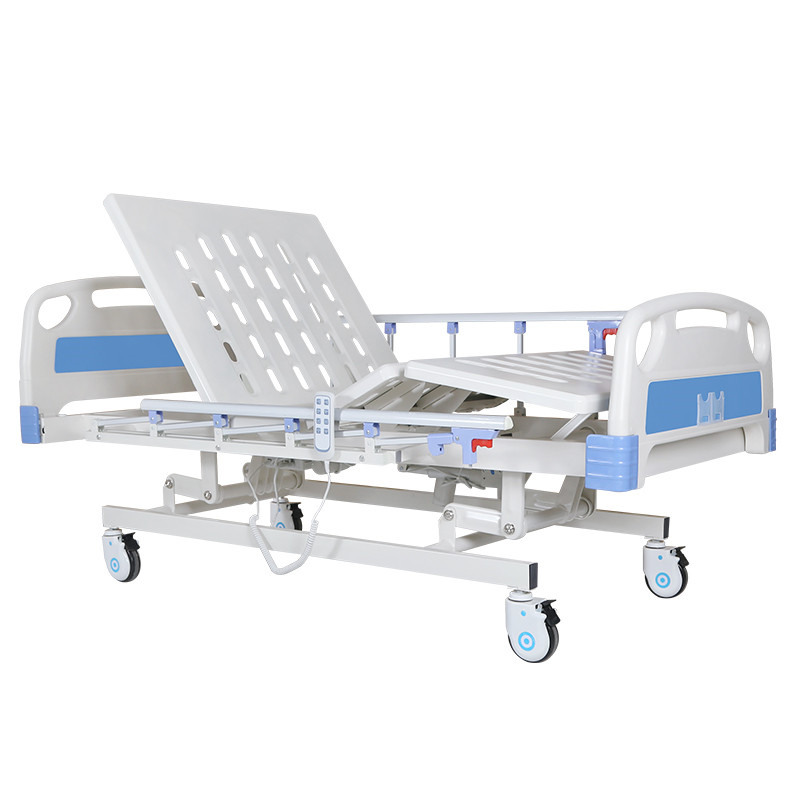
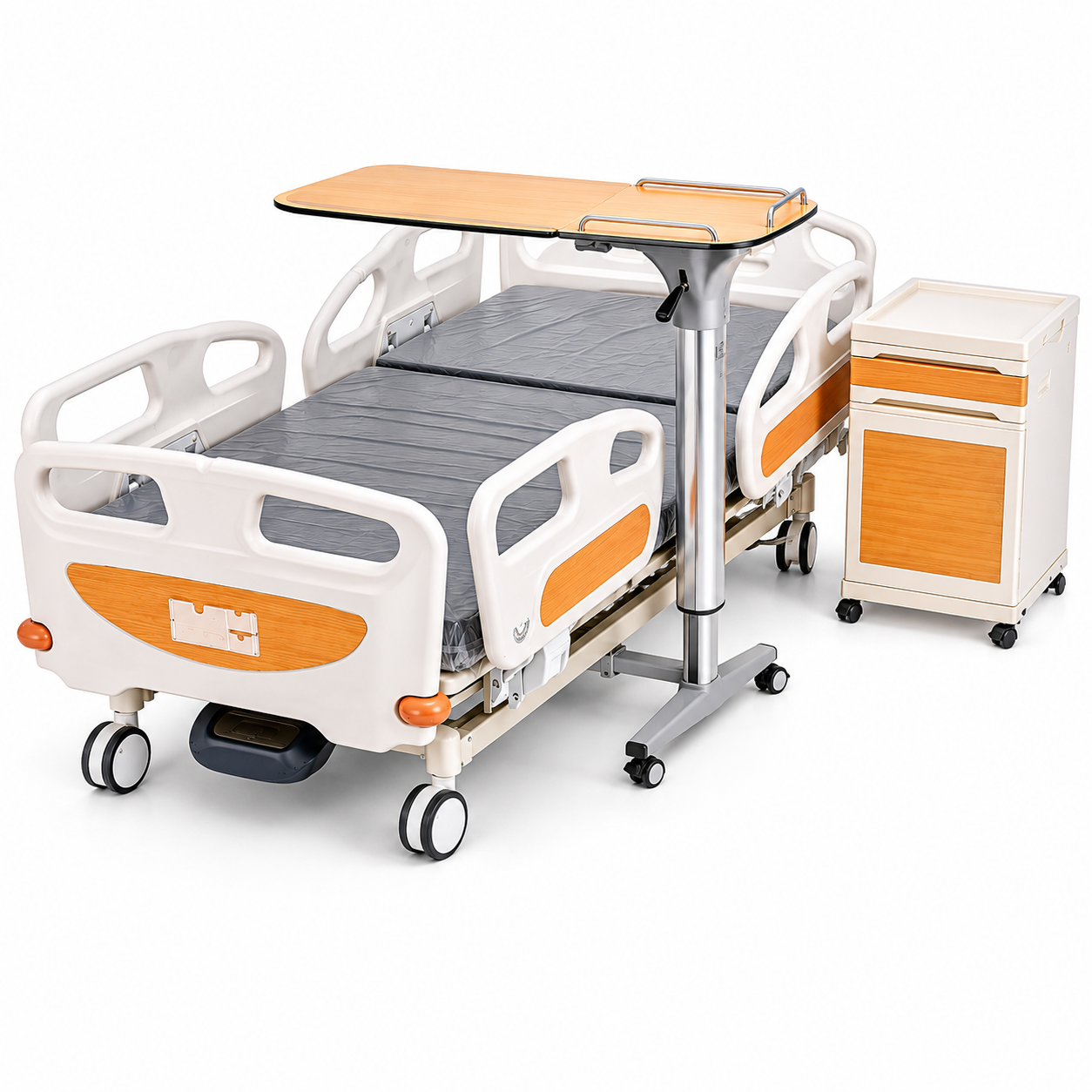

Purchasing hospital beds from overseas suppliers provides healthcare organizations with more sourcing options and competitive solutions. However, international procurement also involves challenges such as supplier reliability, product quality, communication, transportation, and after-sales support. A successful purchase depends not only on selecting the right product but also on reducing potential risks throughout the entire procurement process. The first step in reducing purchasing risks is selecting a reliable manufacturer with proven production capability and export experience. Buyers should review factory background, production capability, quality management procedures, and previous international projects. Working directly with an experienced manufacturer helps ensure clearer communication regarding specifications, production, inspection, and delivery. Explore our professional Hospital Bed solutions designed for international healthcare projects. Many procurement problems happen because product requirements are not clearly defined before production begins. Buyers should clearly communicate bed functions, dimensions, materials, electrical standards, accessories, and packaging requirements. Technical confirmation or sample approval helps prevent misunderstandings and ensures the final products match expectations. Quality inspection before shipment is an important step in international medical equipment purchasing. Hospital beds should be tested for adjustment functions, structural stability, braking systems, and safety features. Final inspection helps ensure that all ordered products and accessories are complete before shipment. Hospital beds are large medical equipment products that require professional packaging and logistics planning. Proper container loading, packaging protection, and shipping documentation help reduce transportation risks. Commercial invoices, packing lists, technical documents, and required certificates should be prepared before delivery. Medical equipment requires long-term support after installation. A reliable supplier should provide technical communication and spare parts assistance. Long-term cooperation helps healthcare organizations maintain consistent equipment standards for future expansion. The safest way to purchase hospital beds internationally is to treat the supplier as a long-term project partner rather than a simple product source. Reliable communication, quality control, and professional support create better purchasing outcomes. Learn more about our manufacturing capabilities through our Factory page or Contact Us to discuss your hospital bed project.International Hospital Bed Purchasing Requires Careful Risk Management
Choose Suppliers Through Proper Evaluation
Verify Manufacturing Experience
Confirm Product Responsibility
Clearly Confirm Technical Requirements
Confirm Functions and Specifications
Review Product Details Before Mass Production
Quality Control Helps Prevent Delivery Problems
Establish Inspection Procedures
Check Product Performance
Confirm Quantity and Accessories
Plan International Transportation Carefully
Consider Shipping Requirements
Prepare Import Documents
Build Long-Term Cooperation With Reliable Suppliers
After-Sales Support Matters
Maintain Stable Product Supply
Common Overseas Purchasing Mistakes
Quick Buyer Checklist
Expert Tip