

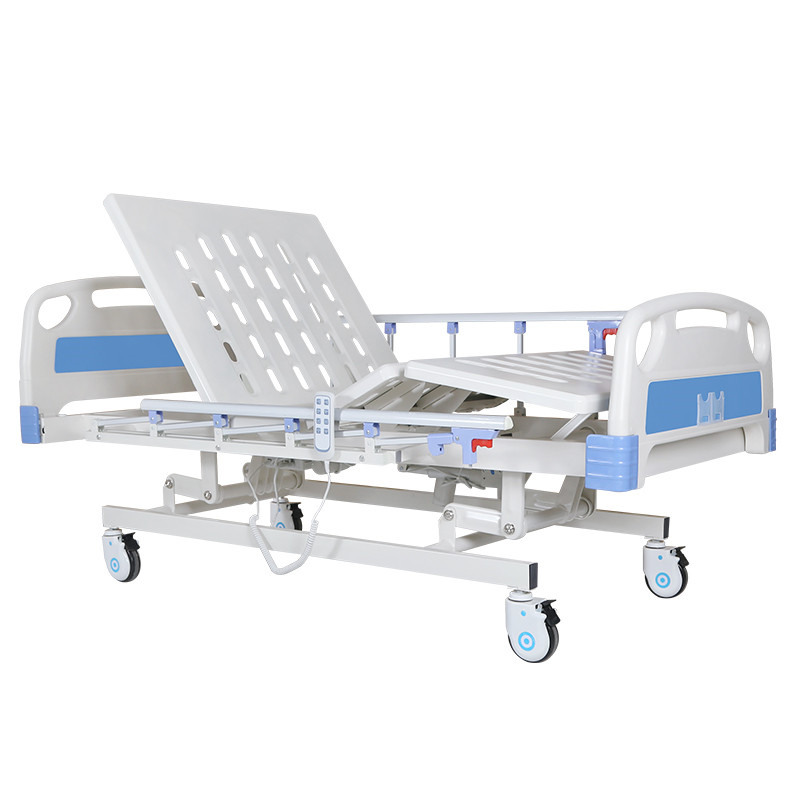
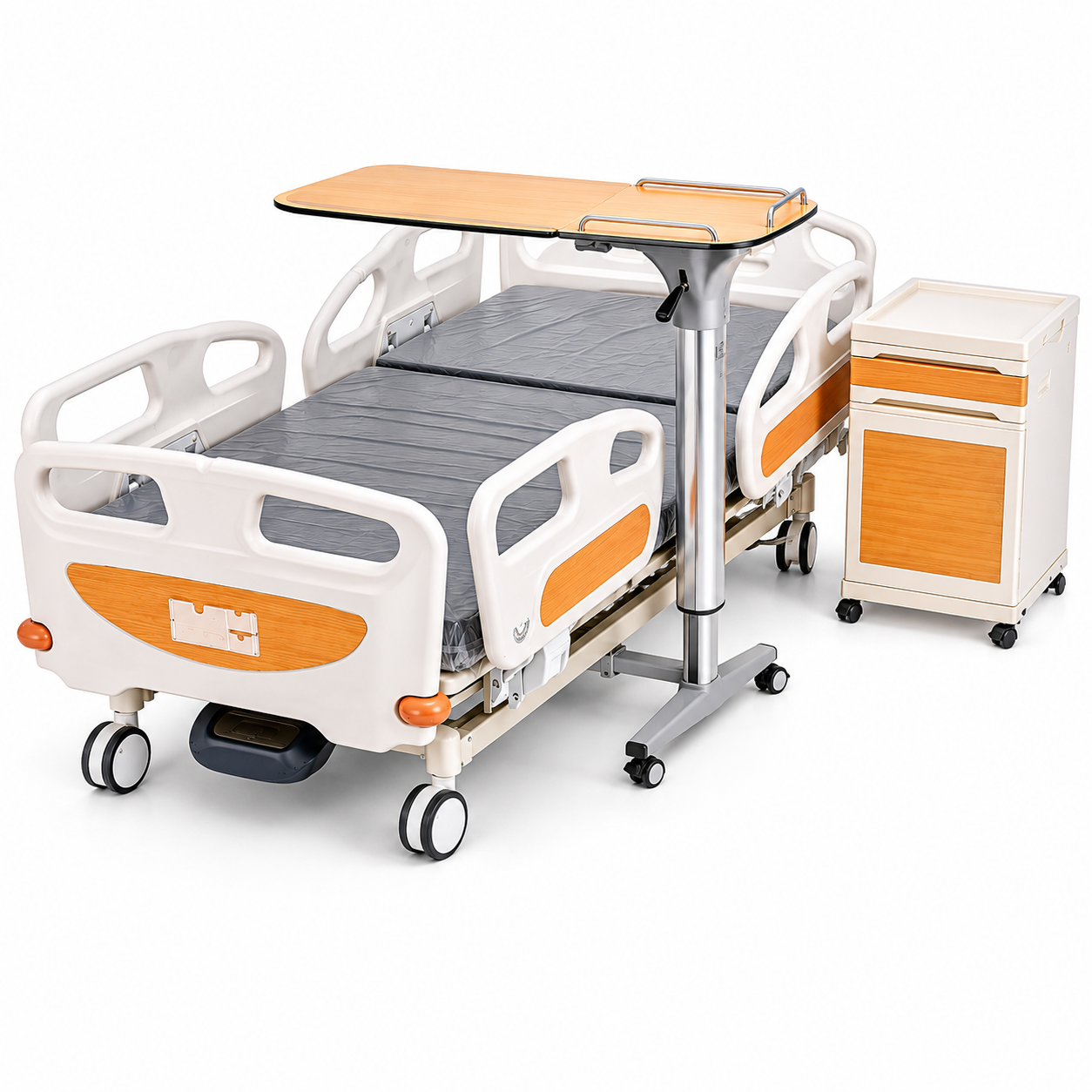

Export packaging is one of the easiest details to underestimate in a patient care bed order. Buyers often spend weeks comparing functions, steel thickness, side rail style, casters, motors, and price, but the bed still has to travel through factory handling, inland trucking, port storage, sea freight, customs inspection, and final delivery before anyone can install it. If the packing is weak, even a well-built bed can arrive with scratched boards, bent brackets, missing screws, or damaged accessories.
For distributors, hospital project contractors, and care facility buyers, packaging is not a small factory habit. It affects claims, installation speed, warehouse work, and customer confidence. A practical packing checklist helps the buyer compare the real cost of an order, not only the unit price on the quotation sheet. It also gives the patient care bed factory a clear standard to follow before production starts.
Start With the Shipping Method
The first question is how the bed will be shipped. A patient care bed can be packed fully assembled, semi-assembled, or knock-down. Assembled packing is convenient for urgent projects because the bed can be checked quickly after arrival. The disadvantage is container volume. Semi-assembled packing is often a good balance for distributors because it reduces freight cost without making installation too complicated. Knock-down packing gives the best loading quantity, but it requires a more disciplined hardware system and clearer instructions.
Ask the supplier to confirm carton size, gross weight, net weight, and estimated container loading quantity before you approve the order. If the same model is offered by two suppliers, the better price may disappear once freight and damage risk are included. Packaging drawings or sample photos are useful here. They show whether the supplier has a repeatable method or is simply packing each order by memory.
Protect Visible Surfaces Before Anything Else
Head boards, foot boards, side rails, plastic covers, and painted frame parts are the areas the customer sees first. A small scratch on a hidden bracket may not create a complaint, but a scratched head board can make a new bed look used. Visible parts should be protected with foam sheet, film, corner guards, and separation from metal hardware.
Do not allow loose accessories to move inside the main carton. IV pole sockets, bolts, brake pedals, and metal clamps can damage coated surfaces during vibration. If the bed uses ABS panels or wood-look boards, confirm whether the edges have extra protection. Corners take most of the impact during warehouse handling, especially when cartons are moved by hand rather than forklift.
Keep Hardware Organized
A bed is easy to install only when small parts are complete and easy to identify. Screws, washers, pins, knobs, mattress retainers, cable clips, and rail fittings should be packed in labeled bags. For project orders, I prefer one hardware bag per bed rather than one mixed carton for the whole shipment. It avoids confusion when different wards or customers receive separate sets.
If the order includes electric functions, protect the handset, control box, power cable, and motors from pressure. Cable connectors should not be pulled tight inside the carton. Buyers should also ask whether spare fasteners are included. A few extra screws cost little, but they can save a technician from delaying installation at the project site.
Match Packaging to the Product Configuration
Not every bed needs the same packing plan. A manual care bed, an electric care bed, a low bed, and a model with full-length guardrails all have different risk points. Beds with foldable side rails need rail movement locked during shipping. Beds with large head and foot boards need stronger corner support. Beds supplied with dining boards, lifting poles, or other medical bed accessories need a packing list that shows exactly where each part is located.
If the buyer orders mattresses together with the bed, confirm whether they are compressed, rolled, or packed flat. Foam mattresses can be deformed if compression time is too long. If the project uses an anti-bedsore air mattress, the pump, tubes, and mattress should be protected as a complete set, not scattered across different cartons.
Use Labels That Help Real Warehouse Work
Good labels reduce mistakes after the container arrives. Each carton should show model number, quantity, gross weight, carton size, and handling marks. For distributors, it is helpful to include a short item name that warehouse staff can understand. A label that only shows an internal factory code may be clear to the supplier but useless to the buyer's receiving team.
When a shipment includes several bed models, carton numbering becomes important. Marking 1 of 3, 2 of 3, and 3 of 3 for each bed set helps installers check completeness before leaving the warehouse. For large tenders, ask the supplier to separate packing by ward, floor, or delivery phase if the project schedule requires it.
Check the Carton and Pallet Standard
Carton strength should match the route. A domestic delivery carton may not survive export handling. For sea freight, the outer carton should resist moisture, stacking pressure, and repeated movement. Pallet packing can reduce carton damage, but it may reduce container loading quantity, so the decision depends on the project value and delivery route.
If goods will be unloaded manually at destination, do not make each carton too heavy for safe handling. A packaging plan that looks efficient in the factory can become a problem when the customer has no forklift. Ask practical questions: Who unloads the container? Is there a loading dock? Will cartons be stored for months before installation? These details affect the right packing choice.
Final Advice for Procurement Teams
Packaging should be confirmed before production, not after finished goods are waiting in the warehouse. A good checklist covers packing method, visible surface protection, hardware bags, electrical parts, accessories, carton labels, pallet decision, loading plan, and photo records. These details do not make the product look more advanced in a catalog, but they often decide whether the buyer can deliver a clean project.
If you are preparing a container order or comparing patient care bed suppliers, send the model, accessory list, destination, and installation plan to the team through the contact page. A careful packing discussion at the beginning is much easier than solving damage claims after the container has arrived.