
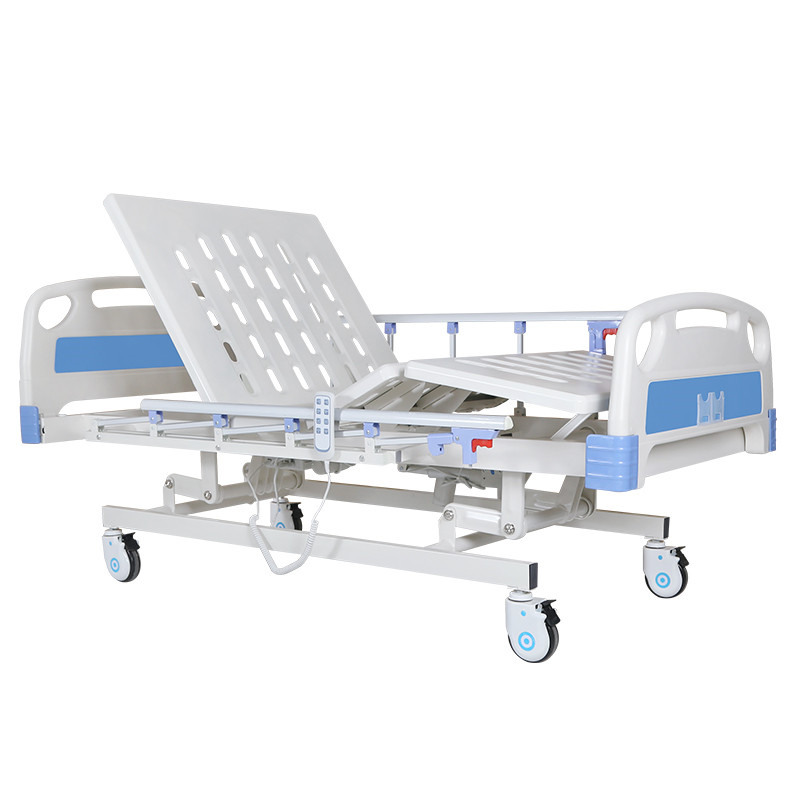

The foot end of a patient care bed is easy to overlook. Buyers often spend more time on side rails, motors, mattress size, and price, while the foot-end structure is treated as a simple board or frame detail. In daily use, however, the foot end affects handling, cleaning, mattress retention, accessory placement, and the first impression when the bed is moved into a room.
Start with handling and movement
Staff often touch the foot end when moving or positioning a bed. The board or frame should feel stable, easy to grip, and free from sharp edges. When reviewing a hospital bed, buyers should push and pull the bed from the foot end during sample testing, not only inspect it visually.
If the foot board flexes, rattles, or feels loose, the whole bed feels less dependable. This can damage buyer confidence even when the main frame is strong.
Compare nursing room requirements
A nursing bed may stay in one room for long periods, but the foot end is still used during cleaning, transfers, and bedding changes. The design should leave enough space for staff to work without hitting brackets or board edges.
The buyer should also check whether the foot board can be removed if needed and whether removal changes the stability of any nearby parts.
Mobility support and standing use
If the project includes active transfer support or is compared with a standing bed, the foot-end design deserves extra attention. Some mobility functions change how the mattress, frame, and lower leg section move.
A foot-end part that looks harmless in a fixed bed may become awkward when the bed supports more movement.
Accessory position and mattress retention
Foot-end mattress retainers, drainage hooks, labels, and other accessories should be positioned carefully. If they are weak or poorly placed, the mattress can shift or small parts can be damaged during transport.
Ask for photos of the foot end with the actual accessory package installed. This prevents misunderstanding between sample approval and mass production.
Room furniture and clearance
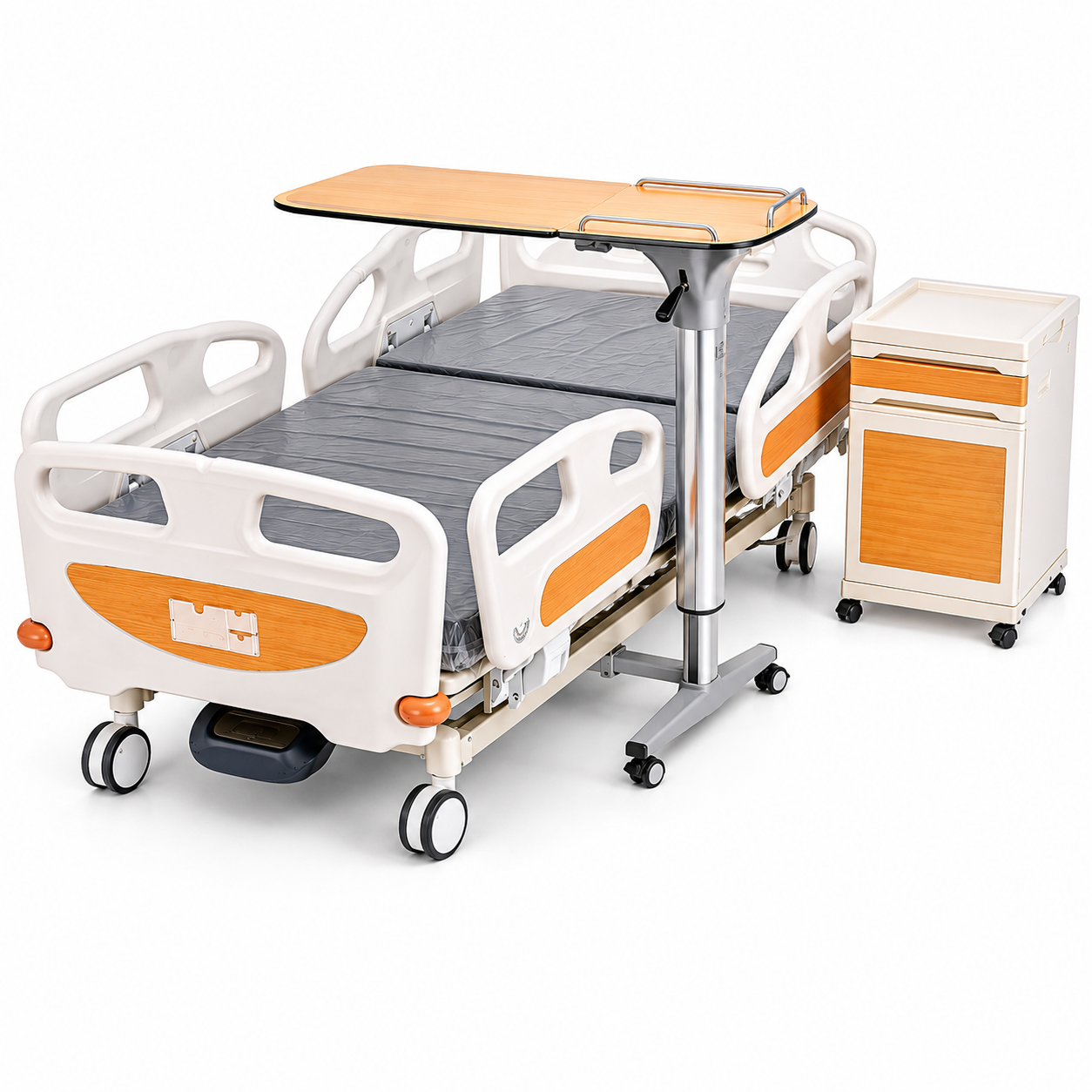
In compact rooms, the foot end may be close to a cabinet, trolley, or hospital bedside table. Check clearance during room planning so the bed can still be moved and cleaned.
A few centimeters of space can decide whether staff can work comfortably around the bed.
Inspection and final approval
Before shipment, inspect foot board fit, coating, fixing points, label position, and accessory placement on several beds. A single good sample is not enough for a bulk order.
For custom foot-end structure, color, labeling, or project packing requirements, send the final notes through the contact page before production starts.
Buying summary
Foot-end design is not a decorative afterthought. It affects handling, cleaning, accessory control, mattress stability, and room workflow. Buyers who inspect it carefully reduce small but repeated complaints after delivery.
Sample approval notes
Before mass production, ask for photos from the same angles that your inspection team will later use. This creates a shared standard between buyer and supplier.
If the product will be sold through dealers, store the approved photos where the sales and service teams can find them.
Inspection rhythm
A useful inspection checks appearance first, then function, then accessories, then packing. This keeps the inspector from missing small parts while focusing on the main frame.
For large orders, inspect several cartons and several units. One good bed does not prove the whole batch is consistent.
Repeat order control
Repeat orders should follow the approved configuration unless the buyer requests a change. If the supplier changes a component, label, or accessory position, the buyer should be informed before shipment.
Consistency makes sales training and after-sales support easier for distributors and facility teams.